I recently found an old hard drive I’d stored photos on for many years, dating back roughly to 2009 – pre cloud storage and Instagram. Back then, I was getting ready to leave school and move out of the family home I’d lived in for most of my life. Finding these photos now, I’m struck by what you can learn about yourself by seeing what you’ve carried with you, and who you’ve journeyed with, over the years.
I never thought I’d taken that many pictures, and yet here they are. A selection of moments documenting around 8 years of my life. Over that time, what did I decide to photograph? Is this curation, of a sort?
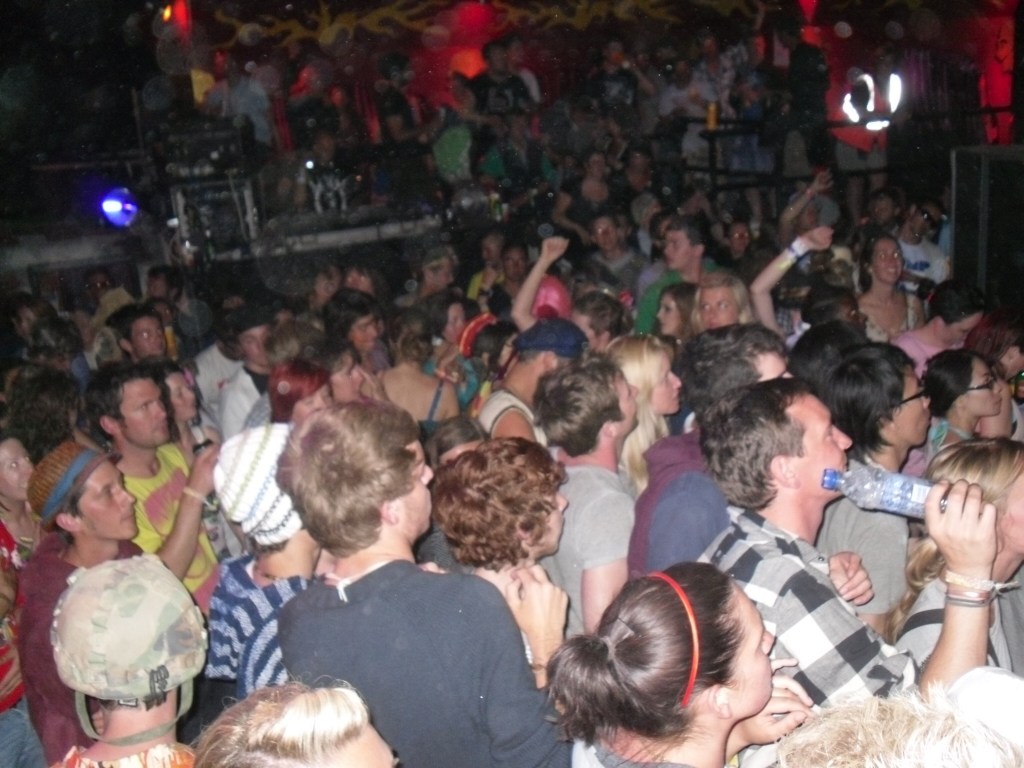
Of course, my favourite photos, the ones that give me the most pleasure, are those of people. Family and friends, people I’ve held close, literally, over the years. My appearance has barely changed, I’ve never had an interesting or drastic haircut. But despise the lack of intrigue provided by my personal aesthetic, these pictures of people together show moments of joy, some of which feel so distant now – a packed Shangri la at Glastonbury in 2010. Look how many people are in such close proximity!
There are a couple of art photos, but not that many. Before formally studying and writing about art, I don’t think I took many photos of paintings or sculptures. In fact, I thought that was lame. That it was a distracting side quest which got in the way of the true purpose: engaging directly with the art, without intermediaries. Yes, I was a censorious undergrad. Now of course, photography is one of the prime ways I engage with and consume art.
Themes start to recur. There are photos of old buildings, the backs of houses. The patchwork aesthetic of cities, their layering, has always appealed to me. I like seeing things in multiples, billboards that repeat themselves, tiny bricks, signage, squares of different colours and textures that make up a whole.
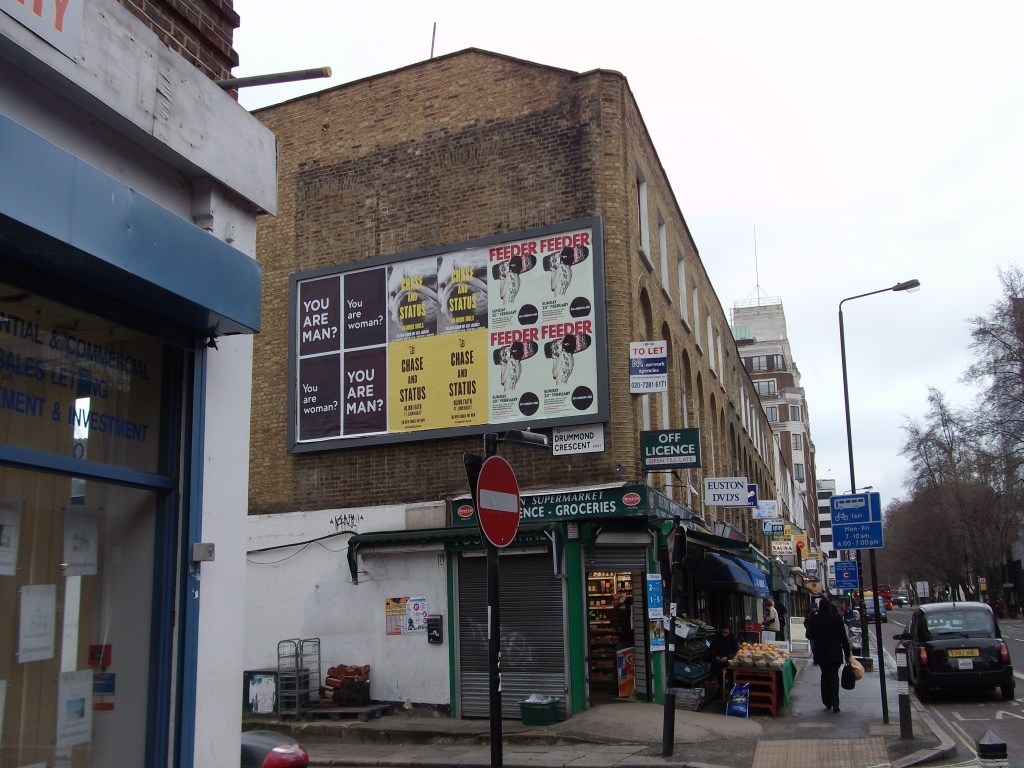
It turns out that the idea which underpins Encounters Art, of finding intrigue or humour or beauty in the everyday has been there for a long while. There are more photos of graffiti, ephemera, what I call ‘notes in the margins’ than there are of Art™, and each of these is loaded with associations and place-memories. My photo library treasures are a bin in Berlin that screams “HATE Gentrification” and an annotation on a signpost in New Haven (the home of Yale University) that advises, “God = 1st / College = 2nd).”

Some of the photos that unexpectedly chimed with me were of a different kind of ‘everyday’, not in the city but at home. There aren’t many of these – clearly we don’t document where we live as much as the special, occasional, noteworthy moments in our lives. There’s a photo from my childhood bedroom window which I must have taken to preserve the delicate lattice of snow and frost on trees and buildings, but now it’s everything else, the normality of it, that resonates.
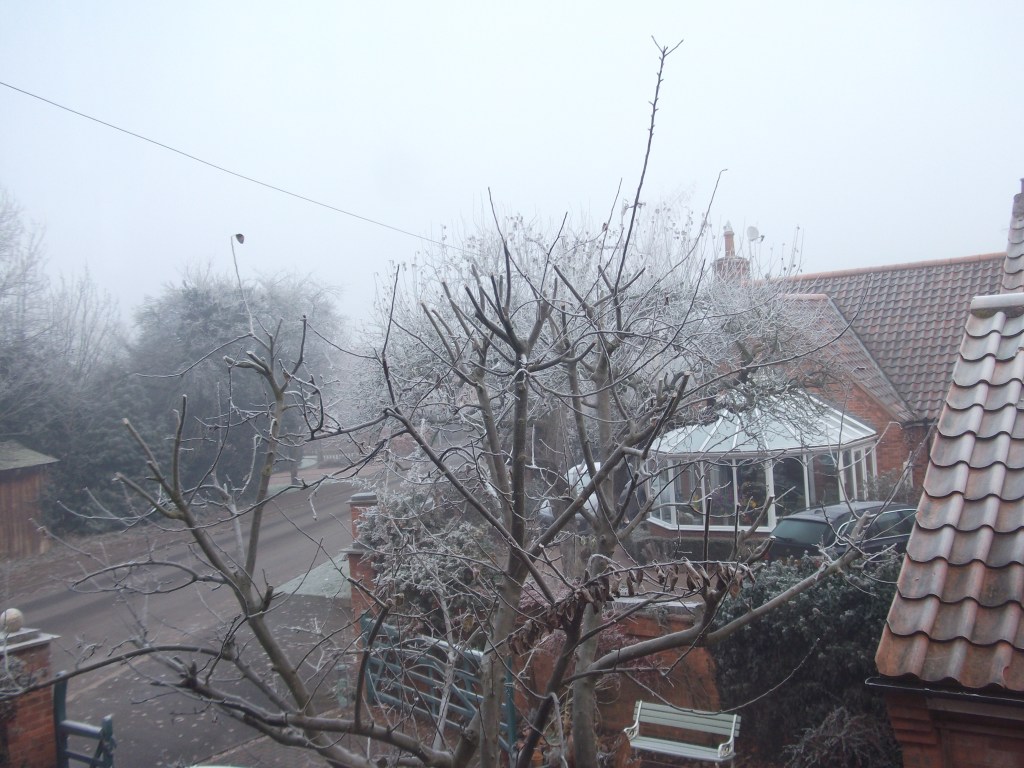
Looking back at the somewhat unremarkable picture, I realised that the view I saw every day for nearly 18 years (the apple tree in the garden, our neighbours’ grand conservatory they never used) had been forgotten. Or rather, it was covered in memory-dust that had gathered over years without me realising, which I hadn’t bothered to wipe away. Even my basement room in university halls of residence, a place I hated, seems interesting at this distance, captured in blurry photographs, hastily taken and packed away until now. Artists who work with found objects (a genre I, perhaps predictably, love) have understood that things don’t actually need to be our own to feel intimate, to resonate. Certain feelings, moments, memories are almost universal, though drawn from vastly differing actual experiences.
Perhaps these images of home interiors and window views have taken on a new significance since lockdown began. Looking at these photos didn’t feel simply like a trip down memory lane. I felt more like an archivist with the task of retrieving and reviving the forgotten. Unraveling continuities and disruptions in relationships, places, things my eyes have been drawn to, was a task which felt like the psychological equivalent of traveling. It gave me reassurance I think I needed, that this period of staying at home doesn’t have to be a vacuum because nothing has really happened. That memories can be made out of and despite boredom, via the simple act of taking a photograph from your window, or failing that, just looking out of it.
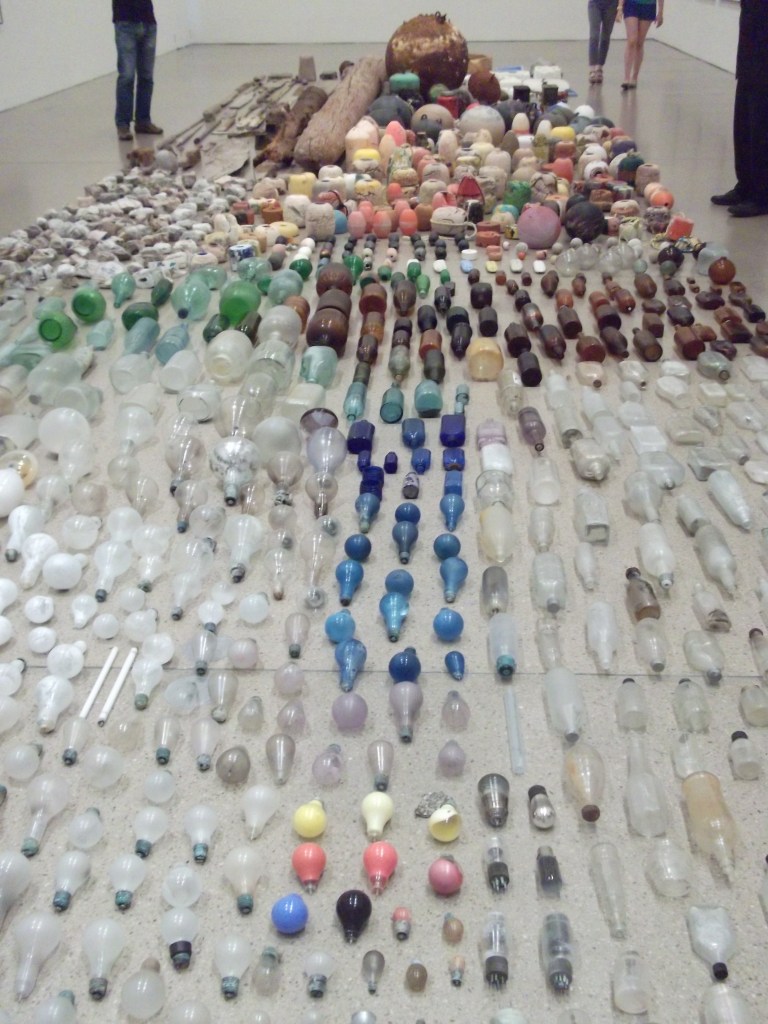
Deutsche Guggenheim in Berlin, 2012




 encounters_art