Mark your diaries! My must-see art for this year.

Steadily, tentatively, light is creeping back. The snowdrops have been sighted at the Botanic Gardens. There are still a few dregs of colour in the sky after the work day is done. Slowly we begin to emerge from hibernation, and what better way to celebrate this than by letting you know about some of the art exhibitions I’m most looking forward to this year.

Over my years of writing about art (Encounters Art is four years old in May this year!) there are a few things I’ve learnt. Unfortunately, you have to be organised. If you see something you like the look of, make sure you go to see it close to the start of the run. Otherwise, you just won’t get round to it. I have learnt this the hard way far too many times. Even with shows that will be on until 2026, it’s better to strike while the iron’s hot. So, let’s all get our diaries out and get these dates marked! Exhibitions are listed in chronological order.
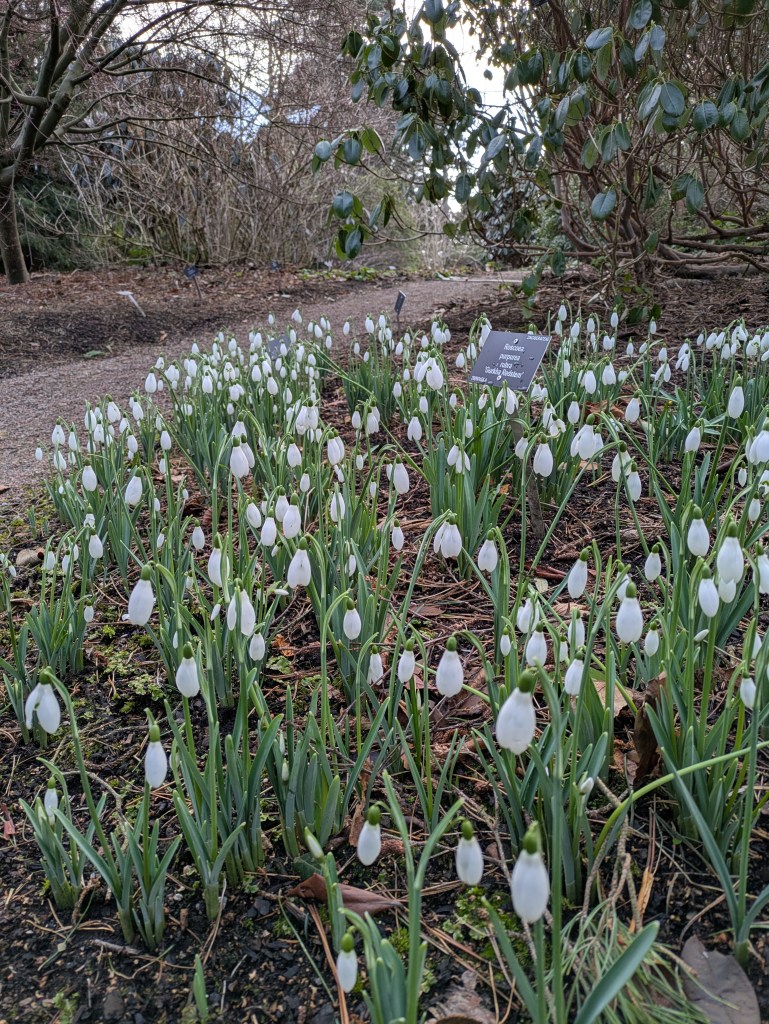
Snowdrops sighted at the Botanics

The Scottish Colourists – Radical Perspectives at Dovecote Studios

Friday 7 February to Saturday 28 June

This looks like a fascinating show, hosted by Dovecot Studios – one of the most underrated places to see art in Edinburgh. The Scottish colourists were a group of four painters around in the early 20th century, who were influenced by the time they spent in France. This exhibition shows their work alongside Matisse and Derain, as well as Vanessa Bell and Duncan Grant from the Bloomsbury Group. I LOVE this era of painting but don’t know much about this much beloved group of Scottish artists, so I’m looking forward to learning more. General Admission tickets are £12.
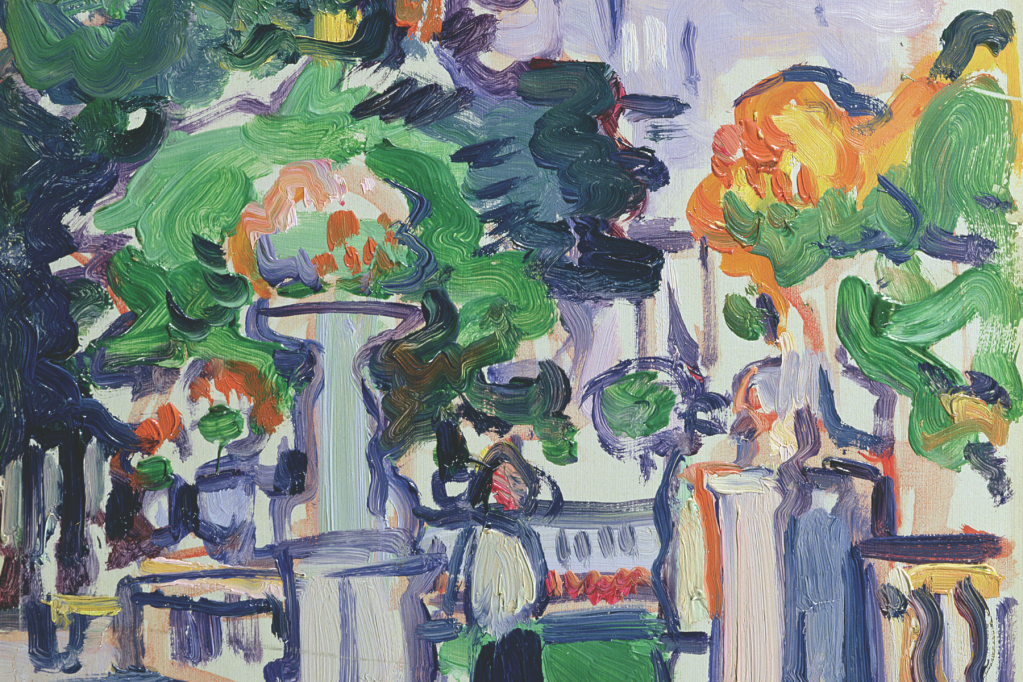
Luxembourg Gardens by SJ Peploe, c.1910 from the Flemming Collection

Jerwood Survey III at Collective

Friday 28 February to Sunday 4 May (Wednesdays – Sundays)

Collective, perched high atop Calton Hill, is an art space I feel I have neglected. I think I’ve seen a few shows there that didn’t quite land with me, which have made me lazy about climbing that hill. However, I intend to rectify that this year. Their first show of the year is the Jerwood Survey III. This initiative brings together ten emerging, early career artists who have been recognised and selected by leading artists for the outstanding work they are creating. Collective is the final stop on this exhibition’s tour, it has been to London, Cardiff and Sheffield. I love the concept of a touring exhibition – several feature in this list. Themes addressed by the artists include colonialism, climate change, healing, gender, sexuality, folklore and spirituality. So this is one to visit when you’ve got brain space and energy for art that can challenge, provoke and make you encounter the big topics. Entry is free, though a £5 donation is suggested. Please donate if you can afford to do so: these are trying times for the arts in Scotland and exhibitions are expensive to run. Collective is open Wednesday-Sunday.

Acts of Creation: On Art and Motherhood at Dundee Contemporary Arts

Saturday 19 April to Sunday 13 July

I love Dundee Contemporary Arts. If I lived in Dundee I’d be there all the time at their cinema which seems to only show interesting movies (I just checked, it’s also showing Mad About the Boy, which is fine with me). The Acts of Creation exhibition has been on my radar for a while. Hettie Judah, the curator, has done an amazing job of advocating for artists who are also mothers. She uses her Instagram as a platform for artist-mothers work and I love the idea of an exhibition that interrogates motherhood in all its complexity. Featuring some pretty big hitters of the art world, including Tracey Emin, Paula Rego and Chantelle Joffe, I’m so glad this is finally coming to Scotland – it began at the Hayward Gallery in London and has also been at the Millenium Gallery in Sheffield. I think tickets are free, can’t see anything to suggest otherwise. The gallery is open Wednesday-Sunday.
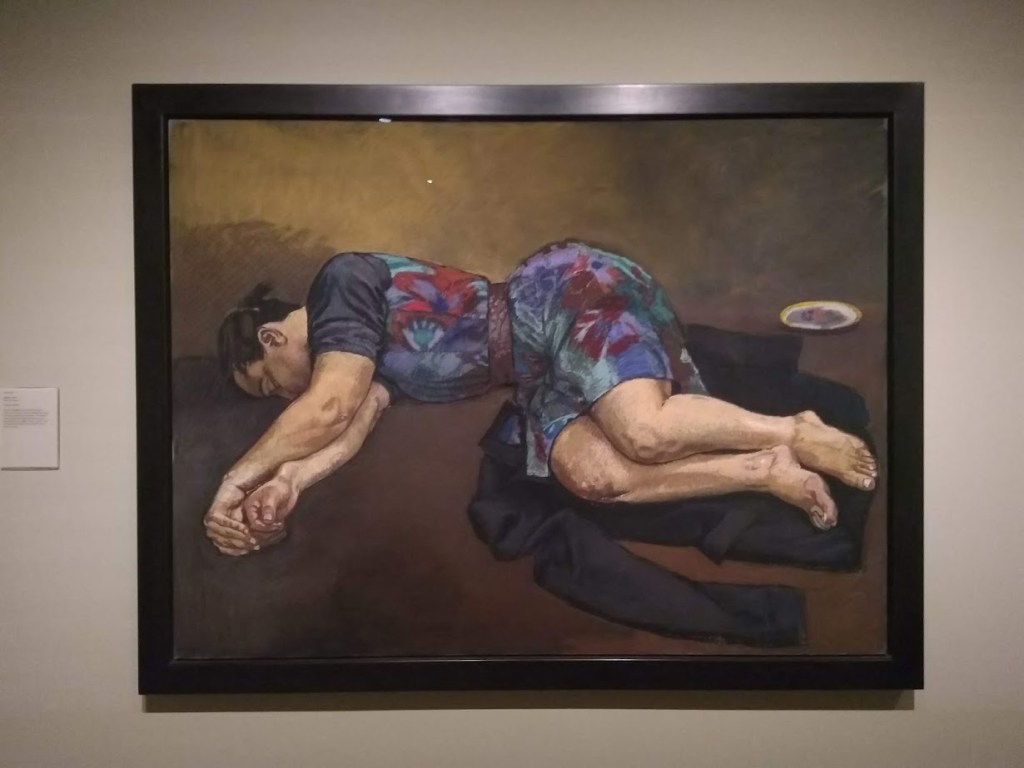
Sleeper by Paula Rego, 1994
Photographed at the ‘Obedience and Defiance’ show at Scottish National Gallery of Modern Art, 2019

The murals at Mansfield Traquair

This is another one on the “I’ve been meaning to go for years but never got round to it” list. The Mansfield Traquair Centre is referred to by some as ‘Edinburgh’s Sistine Chapel’, which is a pretty big claim. Originally it was a Catholic Apolostolic Church, completed in 1895. The building’s most famous feature is its murals, painted by the renowned Phoebe Anna Traquair in the 1890s. The space is currently used for weddings, parties and corporate events, but they host open days and tours usually on the second Sunday afternoon the month, with more dates added during the Fringe. Free – more info on tours and dates here.

Linder: Danger Came Smiling at Inverleith House, Royal Botanical Gardens

Friday 23 May to Sunday 19 October

I was really excited hearing about this show and was trying to figure out when I could get down to London to see it at the Hayward Gallery when, lo and behold I find out it’s coming to Inverleith House! This will be a remarkable show – a retrospective of feminist icon Linder’s work in the year she turns 70. This weekend in the Guardian there was a long and fascinating interview on how she uses trauma and porn to inform her art, and I definitely think she’s going to ruffle a few feathers of people visiting the Botanics! She’s a very cool punk artist who does incredible collages. This one, of a woman seemingly in a picture of domestic bliss, is gouging her eyes out with a fork (I saw it at the Women in Revolt exhibition at the National Galleries of Scotland earlier this year). I can’t wait to see more of her provocative and radical work. Not sure on ticket details and pricing yet – watch this space.
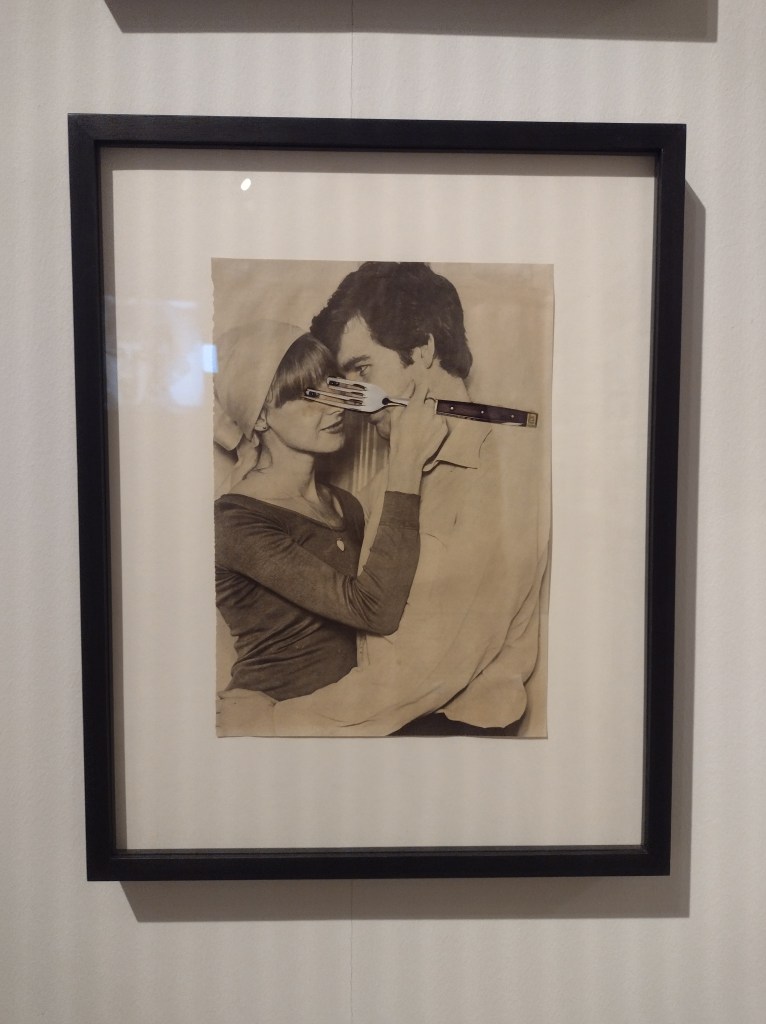
Untitled collage by Linder (1976)

Mike Nelson at Fruitmarket

Friday 20 June to Sunday 28 September

I first came across Mike Nelson’s work at a huge exhibition at Tate Britain in 2019, which art critic Laura Cumming referred to as his ‘all time masterpiece’. I’ll be interested to see where he goes from there. His work features huge installations, often formed from scrap metal and defunct machinery. For this exhibition, Nelson will be using Fruitmarket’s bare Warehouse as a studio in the weeks preceding the exhibition, and I think his work will marry well in that space, where the art has to take on an industrial scale. Fruitmarket exhibitions are free.
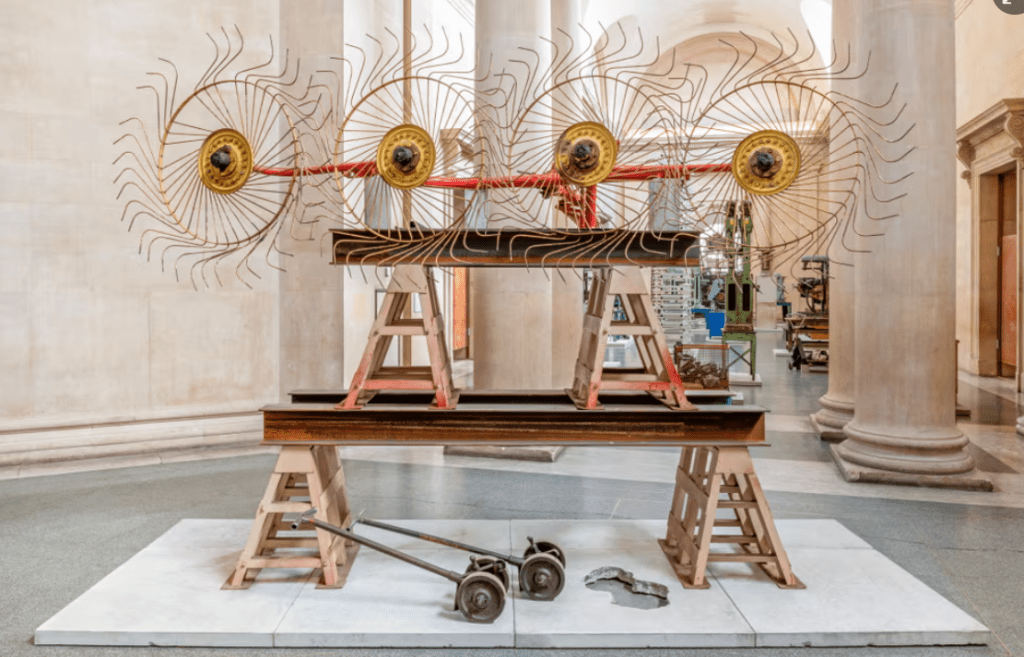
A detail from Mike Nelson’s The Asset Strippers at Tate Britain, 2019

Andy Goldsworthy – Fifty Years at the Royal Scottish Academy

Saturday 26 July – Sunday 2 November

You have probably seen an Andy Goldsworthy artist without having even realised it. Last week at the Botanic Gardens a slate structure that looked like an old cairn caught my eye, and it turned out to be a large sculpture by him. His work, Coppice Wood, at Jupiter Artland is probably my favourite there. He uses nature and the natural elements of our world to craft artwork that is simultaneously vast in scale and understated in tone. The exhibition brings together more than 200 works including photographs, sculptures and expansive new installations built in-situ and specially created for this exhibition. Unlike some of the other shows on this list, it’s only being exhibited in Edinburgh – part of Edinburgh Art Festival – but one to visit before the Fringe crowds arrive, if you can. Full price tickets are £19. Read to the end for my tip on getting cheaper tickets.
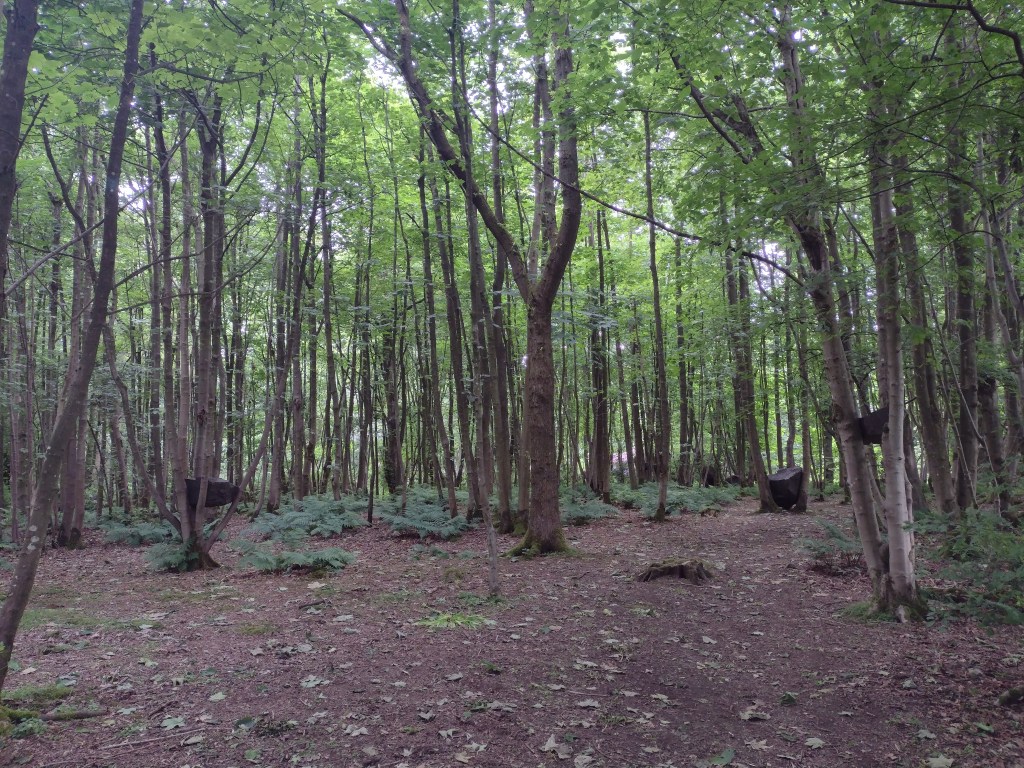
Stone Coppice by Andy Goldsworthy (2009) at Jupiter Artland

Jupiter Rising x EAF

Date TBC

Those of you who’ve been reading the blog for a while know I’m a big fan of both Jupiter Artland and Edinburgh Art Festival. But I’ve never made it to their big collaborative summer party/festival, Jupiter Rising x EAF. This time, I’m determined to be there. It brings together experimental music, performance, poetry and art. Essentially it sounds like a big fun queer art party. Does anyone want to give me a lift?

Pittenweem Arts Festival

Saturday 2 to Saturday 9 August

This is an event I’ve been meaning to go to for a while, and it’s in one of my favourite corners of Scotland. Pittenweem is one of the prettiest coastal villages in the East Neuk of Fife. The annual art festival brings the joy of art to everyday spaces – homes, garages and sheds. I think it sounds like a lovely way to spend a day, wandering along the Fife Coastal Path (hot chocolate at the Cocoa Tree Cafe, lunch at the East Pier Smokehouse) then browsing some art, and chatting to artists, maybe purchasing something new for your home too.
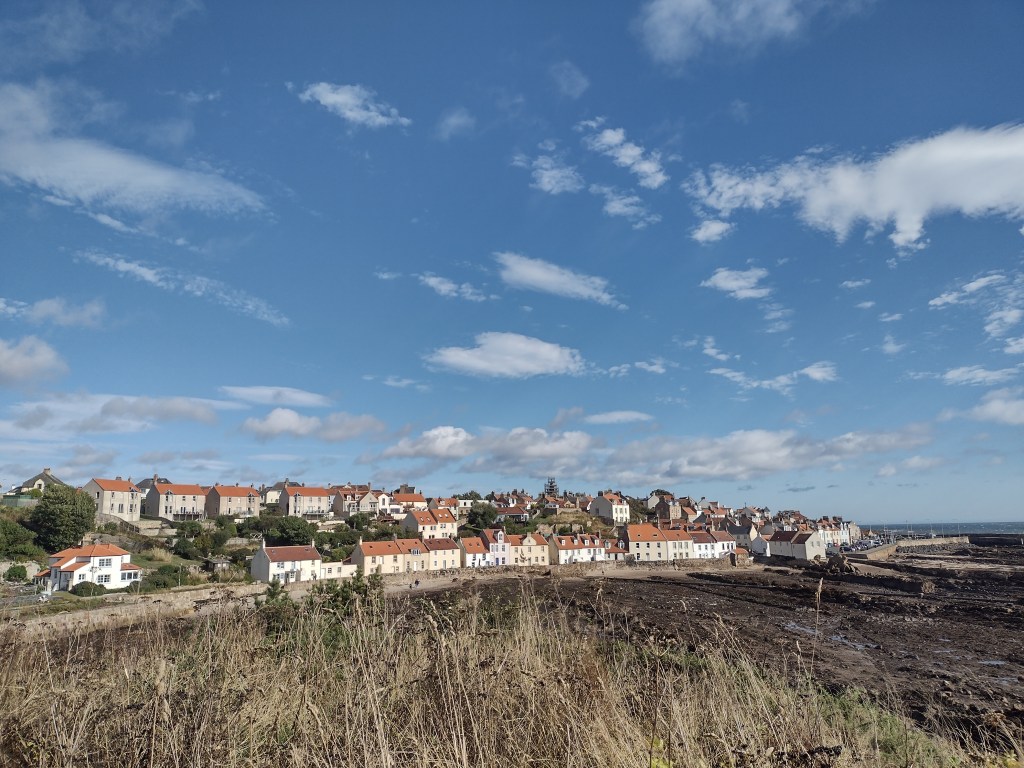
Pittenweem looking pretty

Art Walk Porty

6 to 14 September 2025

OK I am biased with this one as I’m on the Board of the organisation, but Art Walk Porty is always one of the highlights of the art calendar in my year. It brings together artist residencies, with events, workshops, and the art houses, where people open up their homes to exhibit their art. While the programme is yet to be announced, this year marks 10 years since the organisation began, so it’s bound to be a packed and celebratory week. I am always in awe of how much the Art Walk team manage to deliver, and they recently managed to secure multi-year funding from Creative Scotland for the first time. Watch this space as more details of the programme emerge.

Rolled over from last year, I still want to visit Mount Stewart House in Bute and the Italian Chapel, Orkney. You can read more about my 2024 bucket list in last year’s blog post here.

Finally, I feel the list wouldn’t be quite complete without a nod to two exhibitions I am intending to see in London. Firstly, Kiefer/Van Gogh at the Royal Academy London (28 June – 26 October) which is sure to be astounding. My Masters’ Dissertation was on Anselm Kiefer and his retrospective at the Royal Academy in 2014 was one of my favourite shows I’ve ever seen. At Tate Modern, I’m hoping to see Do Ho Suh: Walk the House (1 May – 19 October). This is after encountering his work for the first time at the one of my favourite exhibitions of the 2024 at the National Galleries of Scotland. I’m very keen to see more.
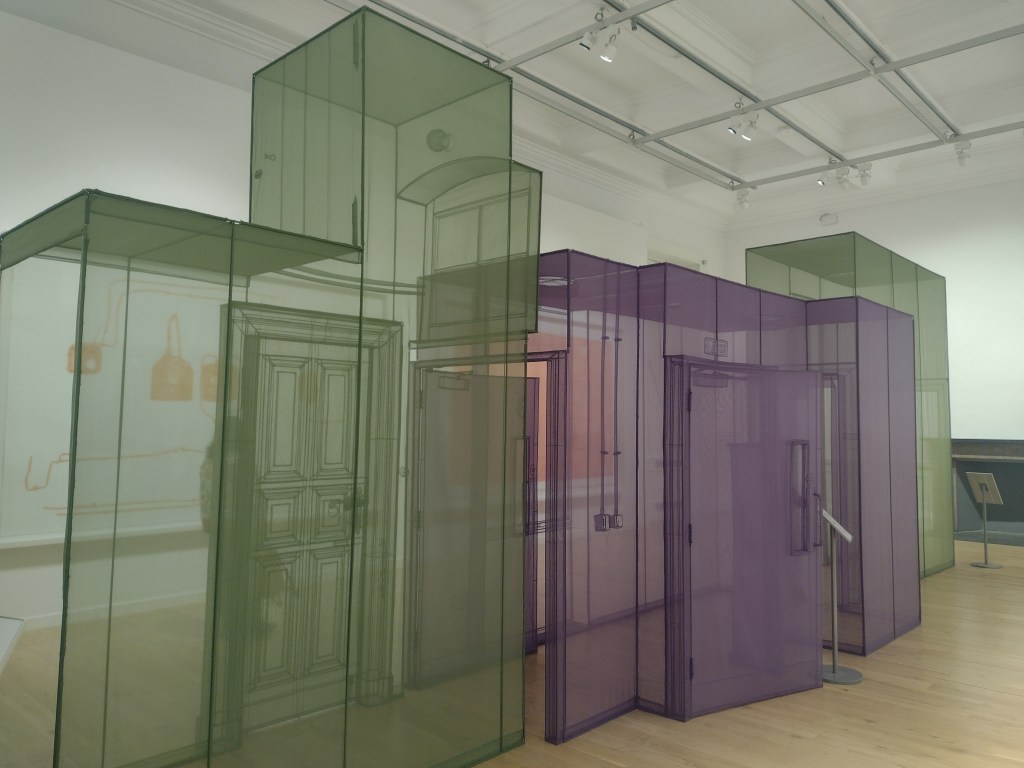
Do Ho Shu installation view at Tracing Time exhibition, National Galleries Scotland

Top tip: if you’re seeing lots of art this year, I’d recommend looking into buying a National Art Pass from the Art Fund, which currently costs £62.35 by direct debit. Almost every charging exhibition gives you a discount if you have the card, you get a cute quarterly magazine with interesting article and art news, and most importantly, you’re supporting the arts.

I’d love to hear what you’re looking forward to, and perhaps any major moments I’ve missed from my list! Feel free to get in touch using the comments, and don’t forget to follow me on Instagram to see if I make good on all these art ambitions for 2025.
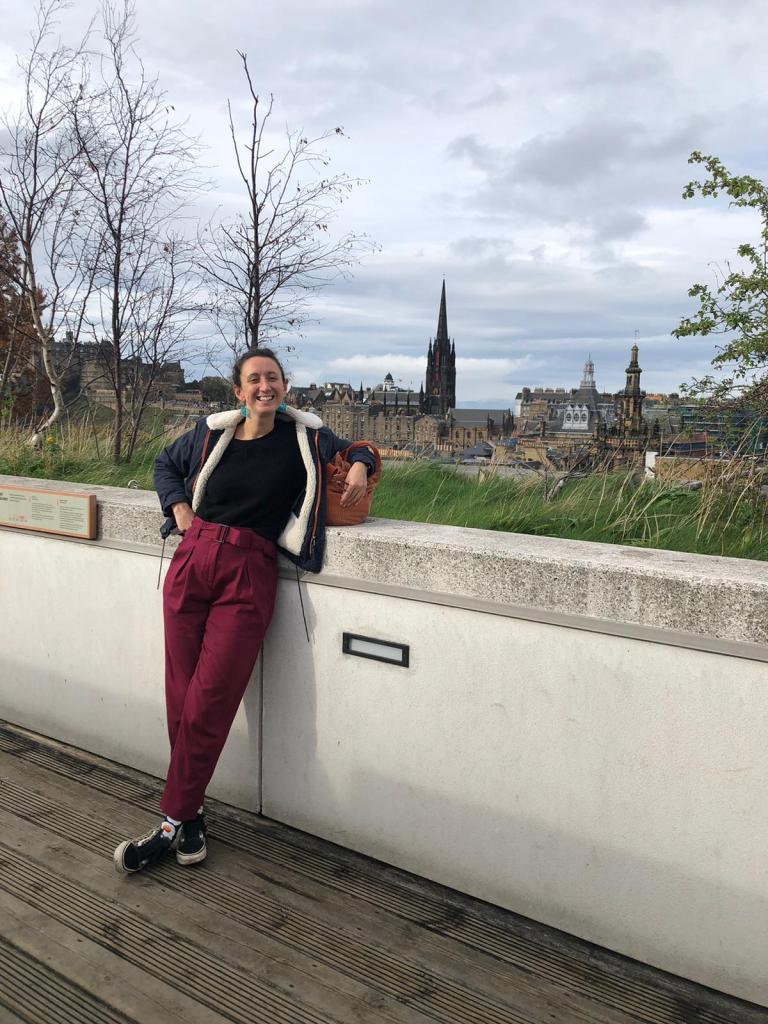
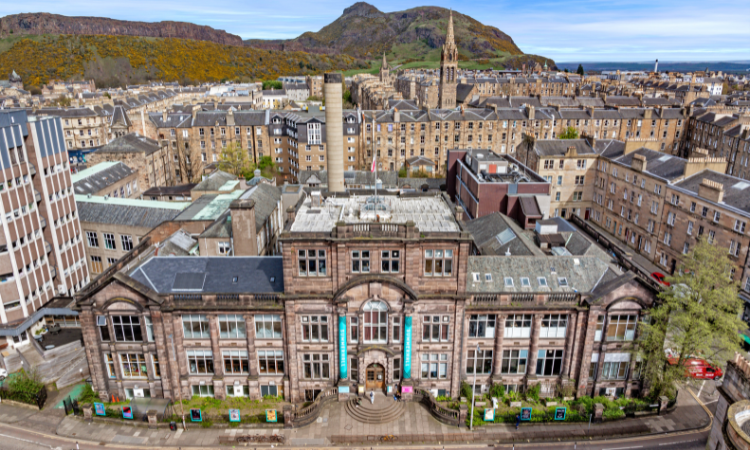
On the roof of National Museum of Scotland

My top five art encounters of the year

As the end of the year approaches, it’s become something of a tradition for me to scroll back through the pictures on my phone and reflect on my favourite encounters with art over the course of the year.

On the surface of it, it feels like I haven’t seen all that much this year. I’ve prioritised other life factors like hanging out with friends and traveling over engaging with art or blogging. But looking back, it’s been a rich year for discovery, including some memorable exhibitions and some new places visited. In the end, narrowing down this list became harder that I thought it would.

My top five in reverse order are…

5) ‘Tracing Time’ by Do Ho Suh

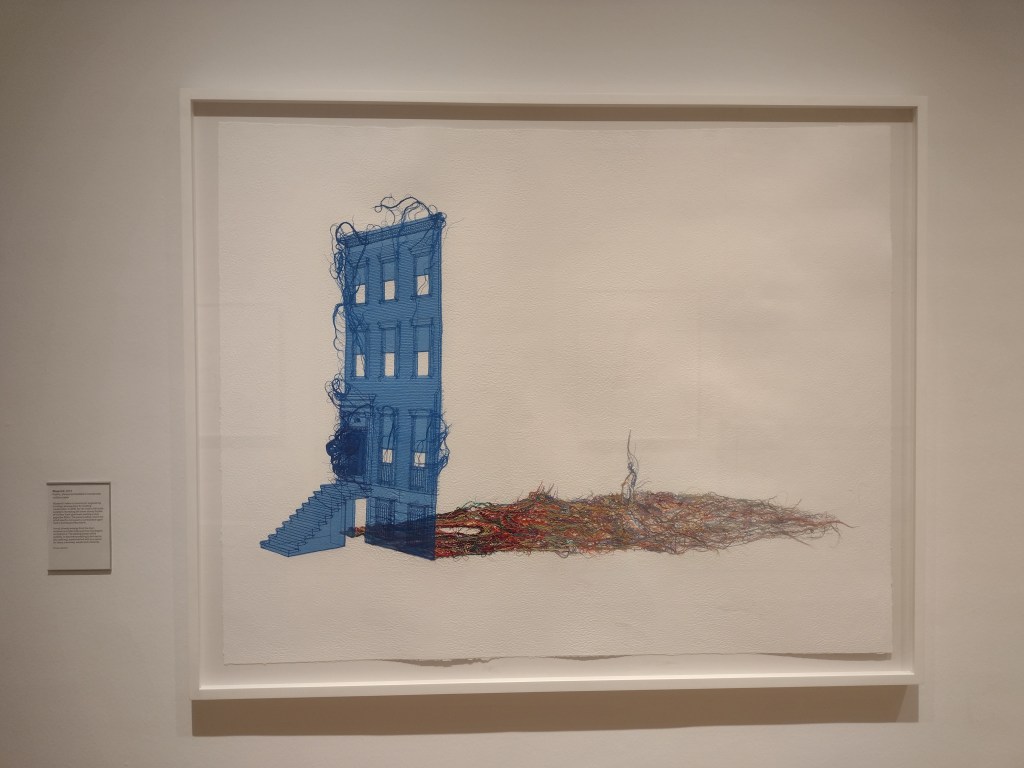
This unassuming exhibition at the Modern Galleries in Edinburgh has stayed with me since I visited the show in April. There was just so much to discover and be enchanted by. Do Ho Suh examines feeling and conceptual pull of ‘home’, exploring the different homes he has lived in over the years. Through his delicate and immensely varied work, he captures some of the magic that resonates within us and root us different places from our past.

‘Blueprint’ by Do Ho Suh, 2014

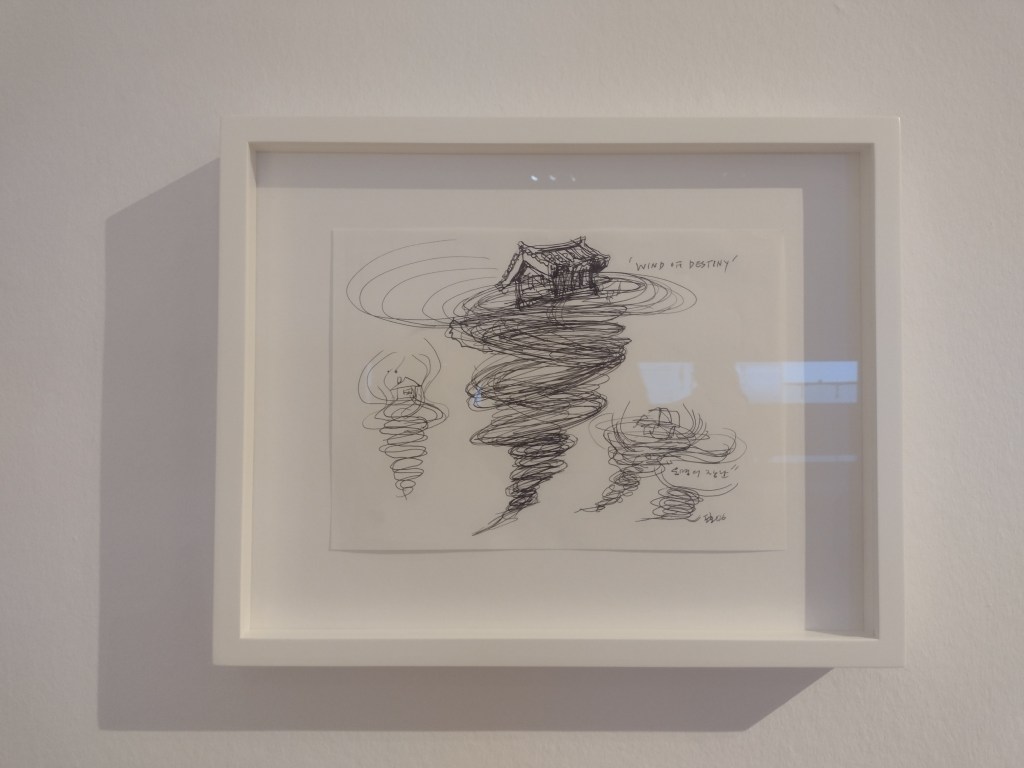
Highlights for me included the beautifully fine drawings incorporating messy masses of thread spooling out from them, as well as the stunning 3D installation which stitched together different entrance halls from two different buildings Do Ho Suh has lived in, in London and Berlin. I was also mesmerised by a short video about Fallen Star, his ambitious and deeply imaginative work inspired by the house swept away by the tornado in The Wizard of Oz, which is installed at the top of a University of California campus building. The whimsey of the idea, combined with the rigorous architectural and construction know-how to turn a sketch into a reality is inspiring and surprising in equal measure. Art can be utterly bizarre sometimes, but it can open our eyes to new possibilities in that way.

Sketch for ‘Fallen Star: Winds of Destiny’ by Do Ho Suh

Fans of the show, or those who missed it in Edinburgh have the chance to see a retrospective exhibition which is coming to Tate in 2025. That one will certainly be on my list to visit.

4) A double bill of El Anatsui

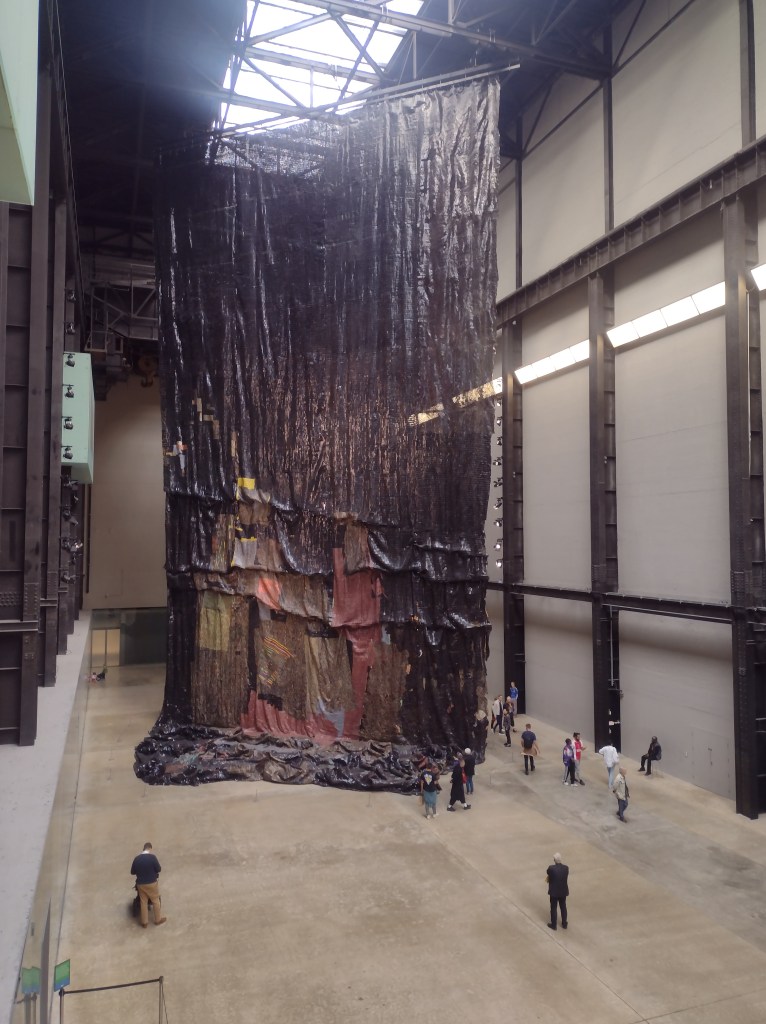
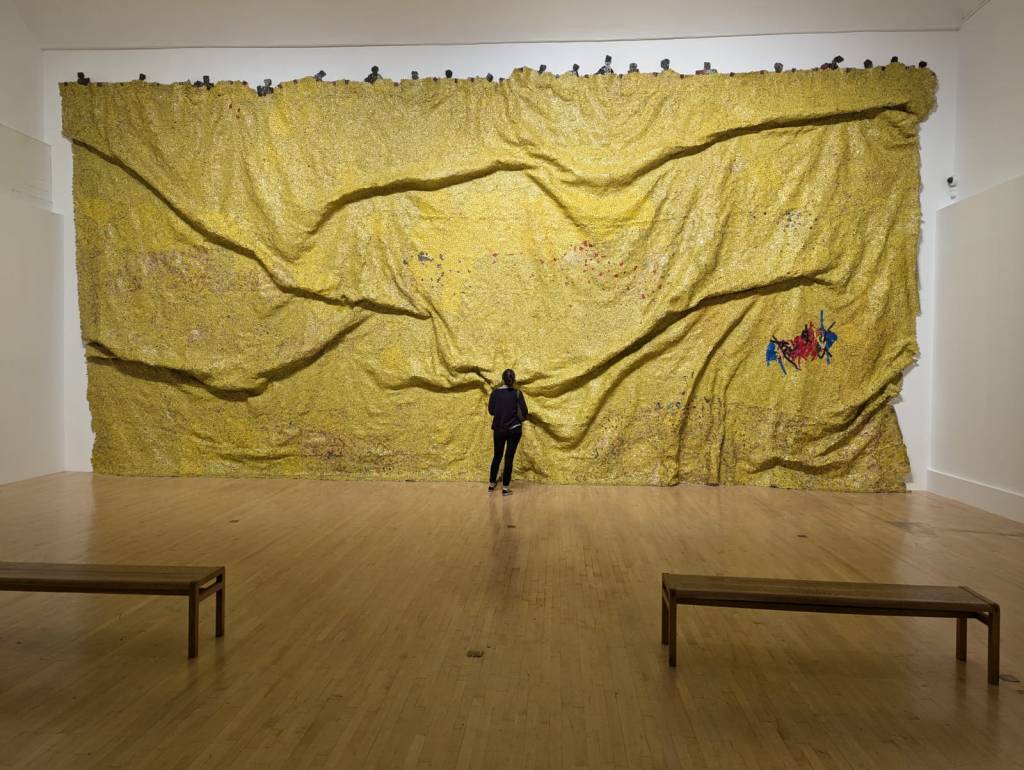
For as long as I can remember, I have enjoyed art that functions on a big scale. I vividly remember when I was little, staring up at Stubbs’s Whistlejacket in the National Gallery, being bowled over by the sheer size of the thing. Then, in my early twenties when I came to love contemporary art, it was the gigantic canvases by Anselm Kiefer that caught my imagination. So, it only makes sense that I’m drawn to large-scale installations like the work of Ghanaian artist El Anatsui. This year, I had the opportunity to see a huge exhibition of his, Behind the Red Moon, in the Turbine Hall at Tate Modern, followed by an extensive exhibition of his work (including some on a much smaller scale) at the Talbot Rice Gallery in Edinburgh.

‘Behind the Red Moon, Act III: The Wall’ by El Anatsui (2023)

What’s special about El Anatsui’s work is that it seems simple but is in fact telling a much more complex story. The metal he repurposes for his giant mosaics speak of the complex material histories and imprints that objects carry with them. There are tales of colonialism, of industry, of waste and of rebirth in every piece which contributes to a greater whole. Looking at this art makes you feel small, humbled. You can decide to step back, to view it from afar as chunks of colour and form and shape, and ponder the global systems that brought these materials together, or you can zoom in, get closer and see the intrigue in each piece, and consider the many hands who have contributed to make it a thing of beauty.

‘Scottish Mission Book Depot Keta’ by El Anatsui (2024)

3) Discovering new perspectives at the Young V&A

There is nothing quite like childlike wonder. I wish I could bottle it and save it for days when I feel jaded. I had been keen to visit the Young V&A ever since its reopening in summer 2023 after a £13m revamp. In April, I got to go along with my brother and my two nephews (aged 6 and 1). I love what they’ve done with the place to make it fun, interactive and genuinely entertaining for kids and grown-ups alike – though I would recommend going with some kids to see their enjoyment unfold with you. There are different zones for different age groups, called Play, Design and Imagine, all exploring the different ways children have played over the centuries, bringing together objects dating from 2300BC onwards.

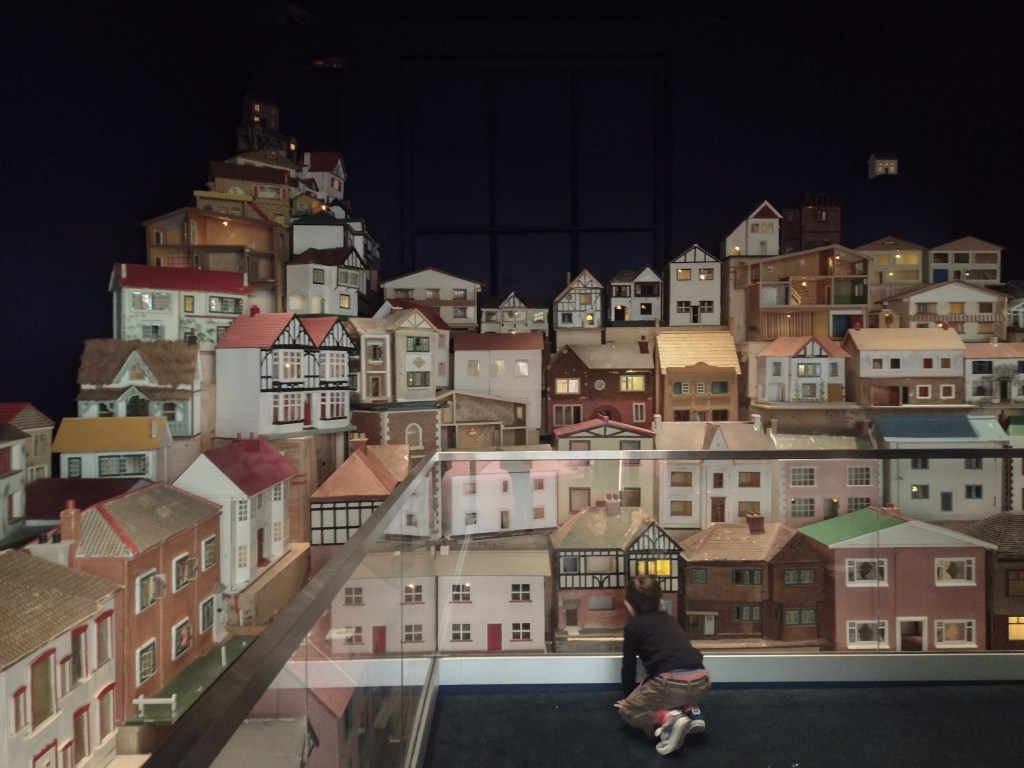
‘Place (Village)’, by Rachel Whiteread (2023)

The standout piece for me was Rachel Whiteread’s installation Place (Village), made from the extensive collection of doll’s houses the artist collected between 2007-23, and formed into a village on a hill. As someone who played with a doll’s house as a kid, but who also loves to peek into homes at night, this beautiful installation, the lights shining out from these homes in the darkness, made me feel nostalgic and curious all at once. I guess that’s the point of places like the Young V&A, they remind us all we were once children: art doesn’t always have to be serious and we can still experience life with a healthy dose of childlike wonder and a sense of play.

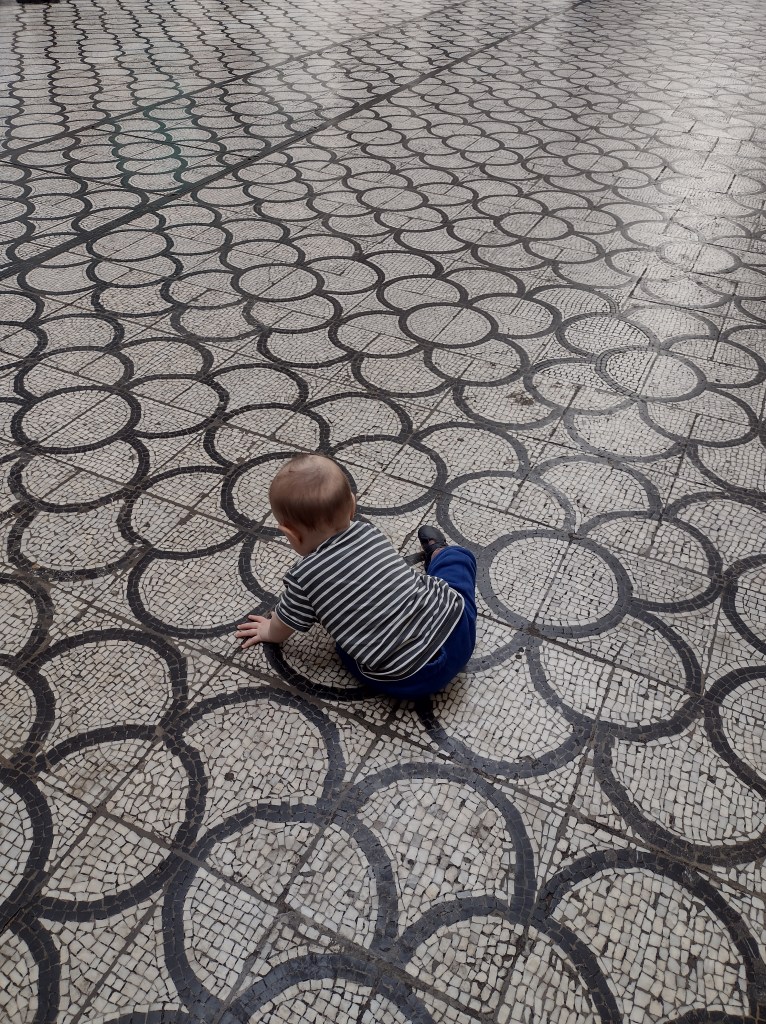
Beautiful floor, beautiful baby!

2) Moved to tears by ‘Ricochets’ at the Barbican

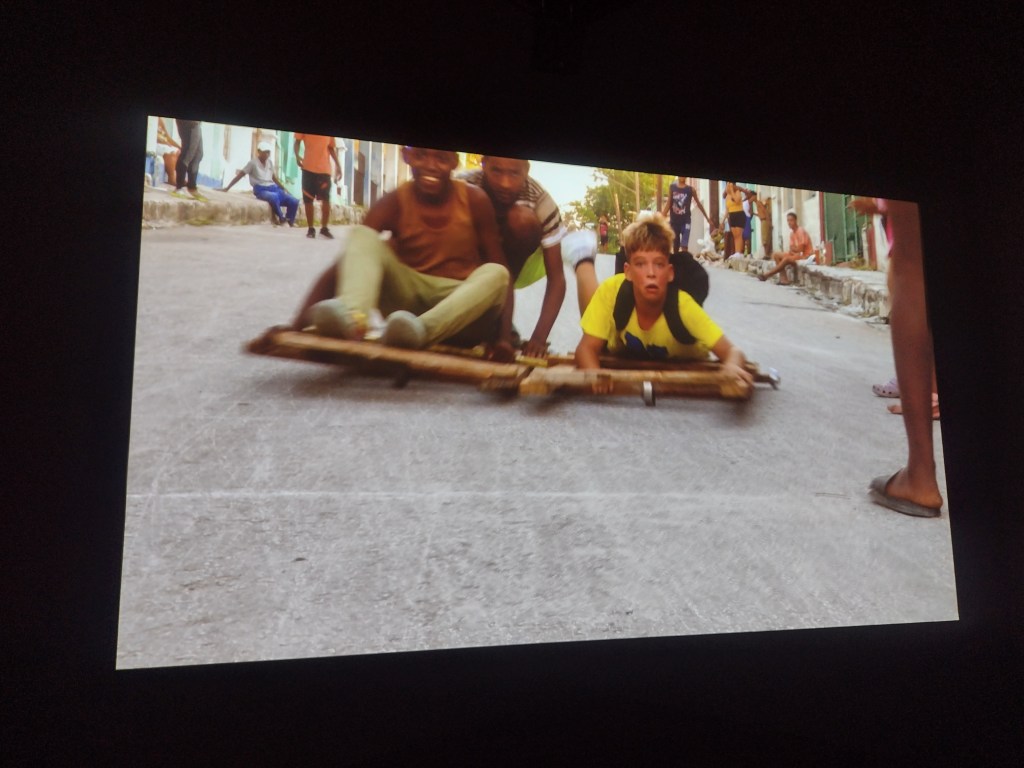
The power of play is also explored in what was probably my favourite exhibition of the year, Ricochets by Francis Alÿs at the Barbican. I wrote a long blog post about how the exhibition was one of hope and sadness, joy and melancholy. The heart of the exhibition revolved around his Children’s Games series, which looks at how resourceful and innovative and can create games even in the toughest of circumstances, including war zones, deserts and crowded cityscapes. These can all be explored online and I would recommend diving into the collection: you will be moved and uplifted in equal measure.

‘Children’s Game #40: Chivichanas’ in La Habana, Cuba, by Francis Alÿs (2023)

1) Exploring Little Sparta’s treasures

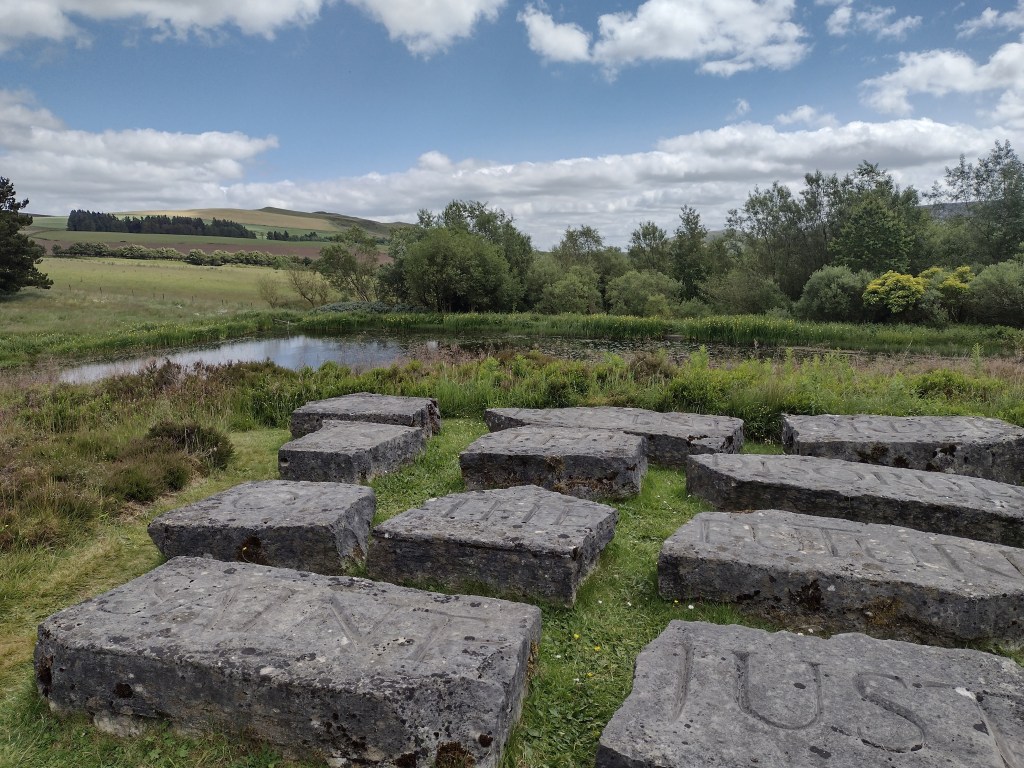
At the start of this year, I wrote a post about my Art in Scotland Bucket List for 2024. I really didn’t get very far with this list (the best laid plans of mice and men…) However I did, at last, make it to Little Sparta, the garden of poet Ian Hamilton Findlay and his wife Sue, which is nestled in the Pentlands. It’s not far as the crow flies from Edinburgh, but feels worlds away, like an enchanted garden with fragments of poetry half buried in the undergrowth. The paths wind their ways through woods and little pools, there are half-hidden sculptures and moss-covered pillars and sundials. The artworks explore themes ranging from classical antiquity to the sea and fishing fleets. I didn’t understand many of the references, but in this way the garden was like a poem in itself. I don’t always understand poetry, but I like how it makes me feel.

Little Sparta – nestled in the Pentlands

The garden is open June-September each year, respecting the late poet’s wishes that the garden should be seen while the trees and plants are in full leaf. You can find out more about visiting here.

So there we have it, my top five encounters with art for 2024. I’d love to hear what your favourite art or cultural experiences have been this year. Feel free to leave a comment below!

A love letter to Summerhall

Walking into Summerhall, you never really know if you’re in the right place. The old bronze door handle doesn’t completely turn. No matter how many times you’ve been, you have to have a millisecond of doubt (is it still open? have I come to the right entrance?) before you manage to get in. Once you’re inside, you can feel you’re somewhere that good things are happening, but it’s not always clear where, or how to get there. Most times I’ve been there, I’ve wandered in a circle, disorientated, and stumbled on something new, or I’ve followed others into the place I was looking for.

Summerhall is many things. It’s a rambling old veterinary school transformed into a multimedia arts venue which is home to over 100 businesses, including several artists’ studios. It’s also for sale. Like lots of Edinburgh residents, I’d experienced a wave of disappointment when I heard the place was on the market. But it wasn’t until last night, in the Dissection Room lit up by fairy lights, listening to Jalen Ngonda’s soaring falsetto that I realised how much I’d miss it.

Summerhall from the air

I stood there with lots of Six Music Dads soaking up the music and the atmosphere. No one had checked my ridiculously large and cumbersome cycling bag, no one had searched me. It has the lovely feeling of a slightly ramshackle, informal space (with the same sort of energy as Hidden Door festival) where no one asks what you’re doing. You could probably get lost wandering around in there for several hours and no one would bat an eyelid.

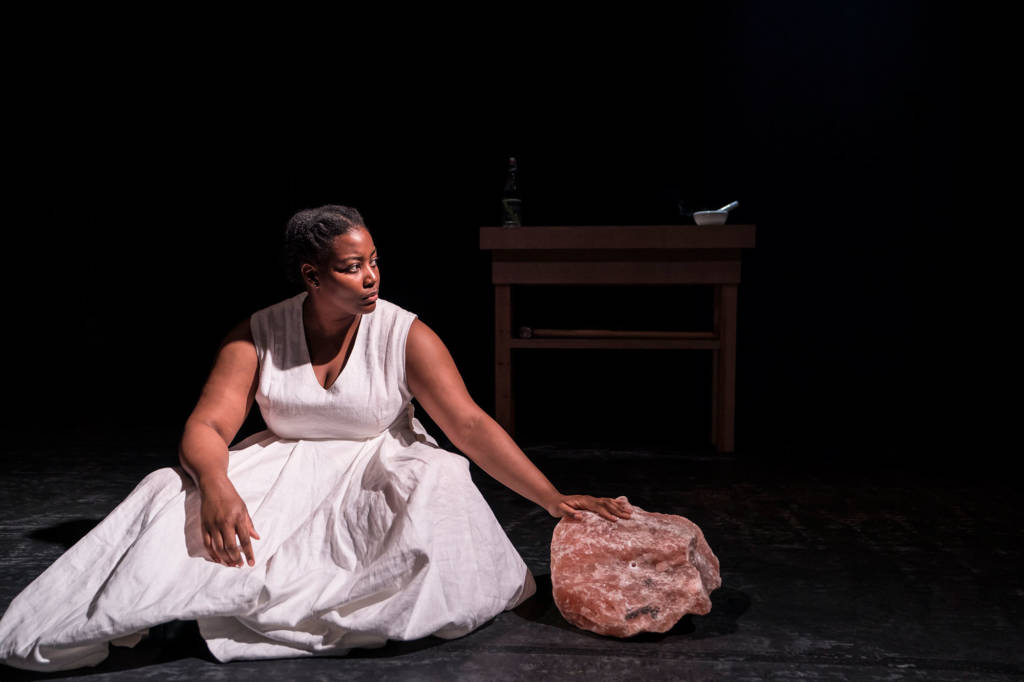
Even before I moved to Edinburgh six years ago, I’d seen theatre there during the Fringe. Summerhall is known for being home to some of the more experimental shows, and two stick out in my mind. First, Salt., a haunting one-woman show where Selina Thompson recounted her experience of retracing the route of the transatlantic slave trade. We were given science-lesson style safety goggles (the ones where the ends were always chewed on or slightly melted by bunsen burners at school) to protect us, while Thompson smashed out her anger and grief on a chunk of Himalayan pink rock salt on stage.

Salt. production photo by John Persson

More recently, with some trepidation given I was only recently bereaved, I saw The Last Show Before We Die. It was an apocalyptic cabaret of sorts, interweaving verbatim interviews and naked writhing on the floor, which questioned the meanings of endings, death, life and relationships. I cried (I always cry) and laughed and hoped no one would ask me to get involved in the audience participation bits. It’s that type of show that keeps the Fringe weird, and keeps people coming back to the Fringe.

Work has brought me to Summerhall too. When I worked at the Book Festival, EHFM, the online radio station based in Summerhall welcomed a group of young writers I worked with, encouraging them to share their beautiful, tender and teenage words with the world. I felt like a proud auntie. I’ve done an escape room at Summerhall too, as part of a teambuilding outing in my current role at Edinburgh College. As an old veterinary school, it has just the right amount of a creepy vibe to be perfect for an escape room. I am terrible at escape rooms, I contributed nothing but telling everyone else “oh well done!”, but we had fun.

After covid, Summerhall was one of the first places we could tentatively meet with friends again, exchanging pandemic stories over pints. Edinburgh is seriously lacking in beer gardens (there is quite an obvious a reason for that, as demonstrated this week) but the courtyard at Summerhall is one of the finest. Perhaps it seems shallow to mourn the lack of a drinking spot just as much as the gallery spaces, but the social spaces are where the good stuff happens. That’s where the connections are made, plans are hatched, friendships formed.

My pal Jenny’s summerhall studio.
Summerhall is a beautiful hub of creativity in so many ways.

We don’t know for sure what’s going to happen with the sale of the space yet. There may still be scope for an arts venue to continue there, but whether it’ll retain the rickety, casual beauty of the current Summerhall is another question entirely. So, while we still have it, I’m going to try and get there, get lost, and soak up the atmosphere for just a little longer. Experimental naked cabaret, anyone?

Art in Edinburgh this spring

After months of closed doors and darkened rooms, museums and galleries are set to begin opening in Scotland from Monday 26 April. Unsurprisingly, I’m excited about the prospect of returning to experiencing art ‘in the flesh’, though lockdown has proven that art can be found everywhere and anywhere, and isn’t confined to the walls of a hushed gallery space.

Over the past year, I’ve had to be more imaginative about what to look at and write about: seeking out artists to highlight each week on Instagram, exploring virtual viewing rooms and reading more art criticism. This unwanted pause on what had seemed a never-ending cycle of exhibitions has, I hope, made the blog less of a diary of exhibition reviews, and more a set of broad suggestions of how we can engage with art.

The more I think about it, the more I realise we’ll have to reacquaint ourselves with how to look at art in person, as the world around us becomes available again in all its glory. How will we prioritise our time? Can we pace ourselves? Will we be overwhelmed, underwhelmed, or just ‘whelmed’? Will our stamina for standing and wandering around galleries be a shadow of its former self?

Contrary to what some might suggest, Edinburgh is alive and buzzing with art all year, so here’s a round-up of some things I’m most looking forward to visiting in person this spring and summer.

Jonathan Owen at Ingleby Gallery: 29 May-17 July

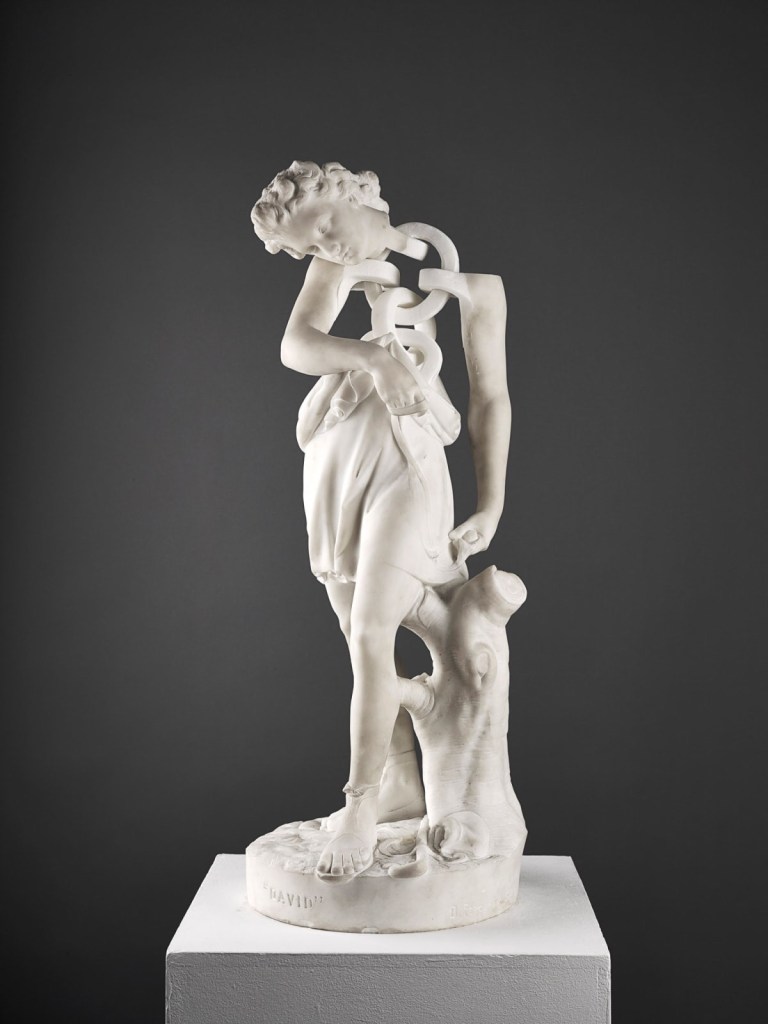
Regular readers will know that I love the Old Masters. That’s where my art journey started (as a child I loved The National Gallery card game). But I also love it when contemporary artists reinterpret traditional forms to say something new e.g. Meekyoung Shin’s slowly eroding soap sculpture of the Duke of Cumberland in Cavendish Square. Jonathan Owen is such an artist. His work uses erasure and interventions to alter found materials, including marble statues. This show at Ingleby Gallery, one of my favourite places to see art in Edinburgh, will feature these altered statues, and will also include the unveiling of a new life-size work about empire and exploitation. I’m sure this exhibition will go straight into the heart of the monument debate and I can’t wait to see these sculptural works in 3D. For me, sculpture is something you have to see in person. The screen just doesn’t cut it.

Jonathan Owen, ‘David’, (2013),
nineteenth century marble figure with further carving

A very interesting rehang at the Scottish National Gallery: Open Thursday-Saturday from 6 May

When I was studying art history at ECA, we were incredibly lucky to get to visit the Scottish National Gallery before opening hours. I remember asking our host, Frances Fowle, Senior Curator of French Art, why some of the most famous paintings are kind of… hard to find in the Gallery. While some people love the fact that you go up a narrow set of stairs and suddenly you’re surprised to be in the company of Van Gogh’s Olive Trees, Monet’s Haystacks and Gaugin’s Vision of the Sermon, apparently lots of folk agreed that they seemed needlessly buried. The latest Friends newsletter explains:

You spoke, we listened. For the re-opening of the Scottish National Gallery we have moved seven of the much-requested Post-Impressionist paintings to a display on the ground floor.

While I doubt this will be a permanent change (the rooms upstairs are probably a much better scale for these works), it will be really wonderful to see these incredible paintings placed front and centre, and I’m fascinated to see how the team at the Galleries will take on this re-hang.

Vincent Van Gogh, ‘Olive Trees’, 1889. Excuse my wonky camerawork.

Fine Art Society Edinburgh, Joan Eardley 6-29 May

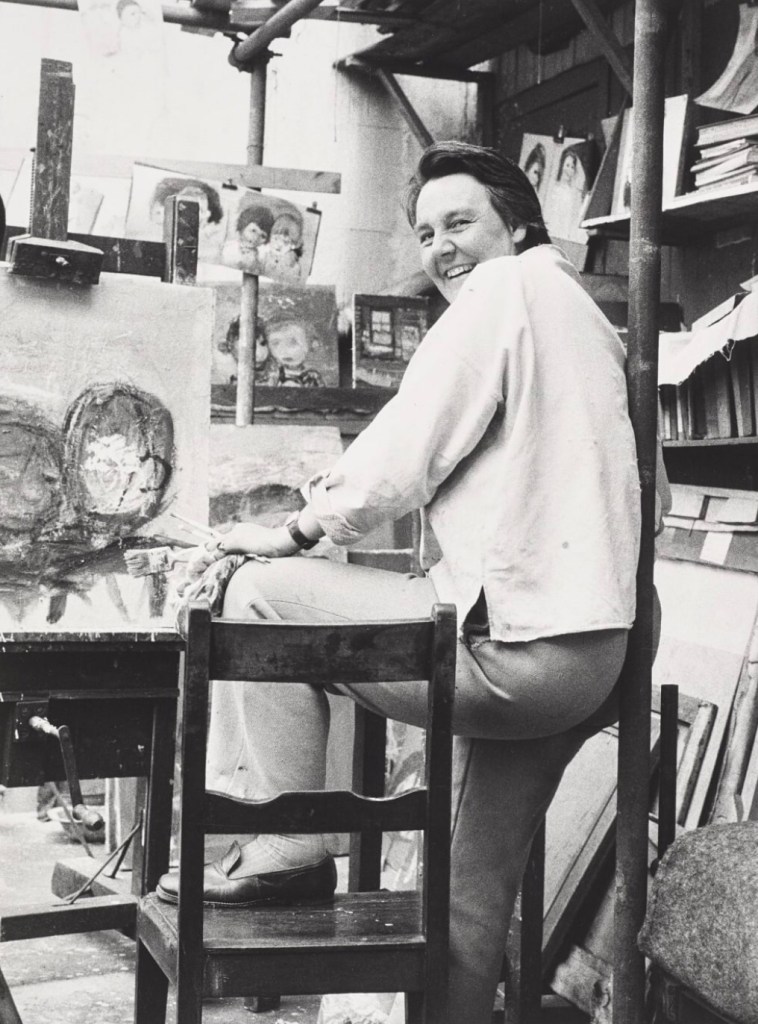
I’ve written about the forthcoming #Eardley100 celebrations before, and am hoping to write about her again several times this year. While the centenary celebrations are happening across Scotland (especially at Paisley Art Museum and the Hunterian in Glasgow), this exhibition at the Fine Art Society on Dundas Street in Edinburgh pairs works by Eardley with photographs of her in her studio. I’ve long been interested in our obsession with artists’ studios (the weird preserved Paolozzi studio at Modern Two is a great example), so I’m really curious to see this combination. It also ticks off a major ambition for me, which is to visit more of the galleries on Dundas Street. From the outside, they aren’t the most welcoming, but to learn more about Eardley, one of the best artists I’ve encountered since moving to Scotland, I’ll brave it.

Oscar Marzaroli ‘Joan Eardley in her Townhead studio’, 1942

Restless Worlds for MANIPULATE Festival: Lyceum, 22 April-2 May

This is why everyone should go to their local art school’s degree show (happening online this year, watch this space). At the ECA Degree Show in 2019, I came across an artist called Chell Young, who works to create miniature worlds that make you feel like you’ve had one of Alice’s EAT ME cupcakes. I’ve followed Chell’s work since, and that’s how I came across Restless Worlds. MANIPULATE Festival has commissioned eight Scottish artists to create kinetic sculptural works, displayed in windows, alongside a short story or soundscape that you download to your phone. While I’m especially looking forward to seeing what Chell has created, the whole project sounds fascinating. In Edinburgh, it is happening in the windows of the Lyceum foyer but there are projects planned for Glasgow and Aberdeen too. More info and tickets here.

Chell Young, ‘Fragile Realities’, part of installation at ECA Degree Show, 2019

Christian Newby at Collective: 13 May-29 August

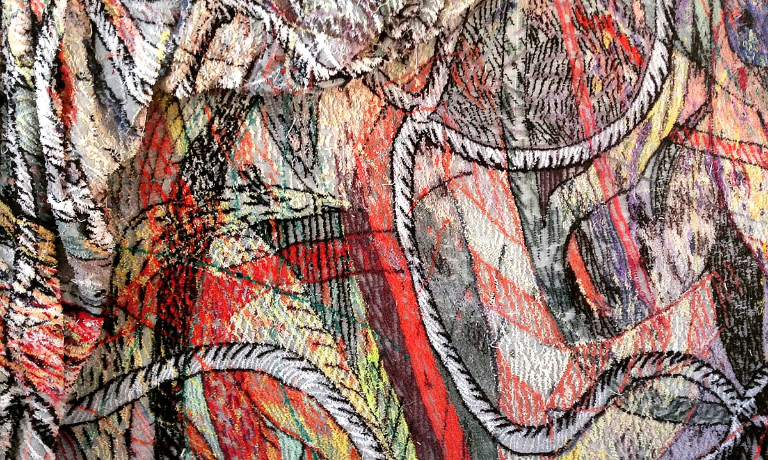
I’m sure lots of Edinburgh residents have braved the climb up Calton Hill for a lockdown walk, just to feel *something*. Well, from early May we will be rewarded with an open-for-business Collective Gallery at the summit. The exhibition they’re emerging from lockdown with is by Christian Newby, and features a large-scale textile called Flower-Necklace-Cargo-Net. This tapestry, made with industrial carpet tufting techniques responds to the building, which originally housed an astronomical telescope. Christian’s work explores ideas of craftsmanship, labour and the use of machinery in the fine and applied arts. I am intrigued by the description and I really want it to be absolutely massive. We all love a large scale work.

Christian Newby, ‘Flower-Necklace-Cargo-Net’ (detail), 2020

There will be so, so much more to talk about and explore, so please consider this an initial scanning of the Edinburgh art horizon. Other things I want to explore further are the Fruitmarket Gallery reopening after its refurbishment, The Normal exhibition at the Talbot Rice Gallery which explores the pandemic, the ECA Degree Show and the Art Festival. I’ll keep my ear to the ground and post more recommendations as and when.

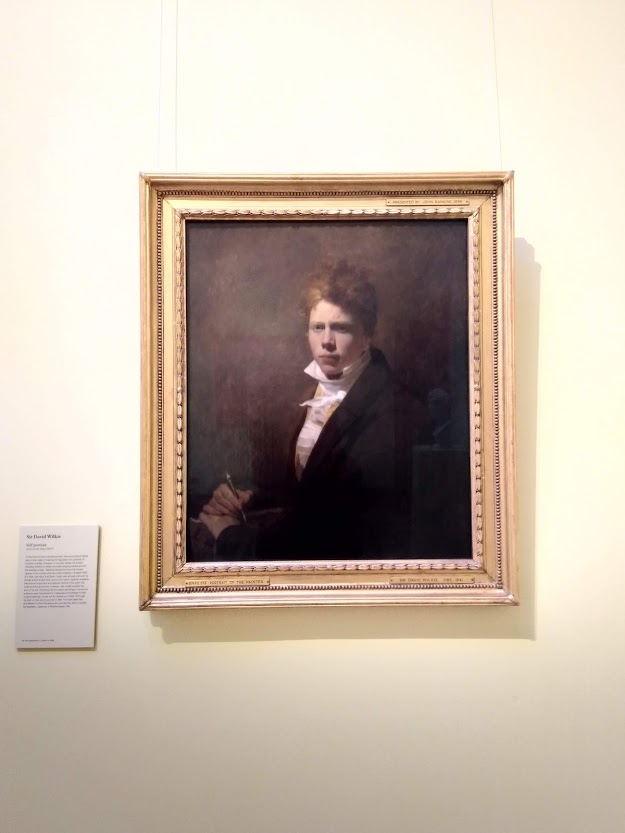
Alongside all that, we can never forget our old favourites. One of my first tasks when the Scottish National Portrait Gallery opens on 30th April is to go and visit my old pals, David Wilkie and Duncan Grant, to check they’ve been OK over the past year.

David Wilkie, Self Portrait, 1804-05

‘Florilegium: A Gathering of Flowers’ at the Royal Botanic Garden, Edinburgh

There’s a new, free exhibition in town, at the Botanics. Ever a beautiful place to relieve your Covid-19 cabin fever, to feel the peace of looking at plants and be made to feel small by impossibly tall trees, now you can supplement it with a visit to Florilegium: A Gathering of Flowers. The first exhibition since the RBGE started its Climate House initiative, the exhibition marries what seem to be two very different ways of looking at flowers. 

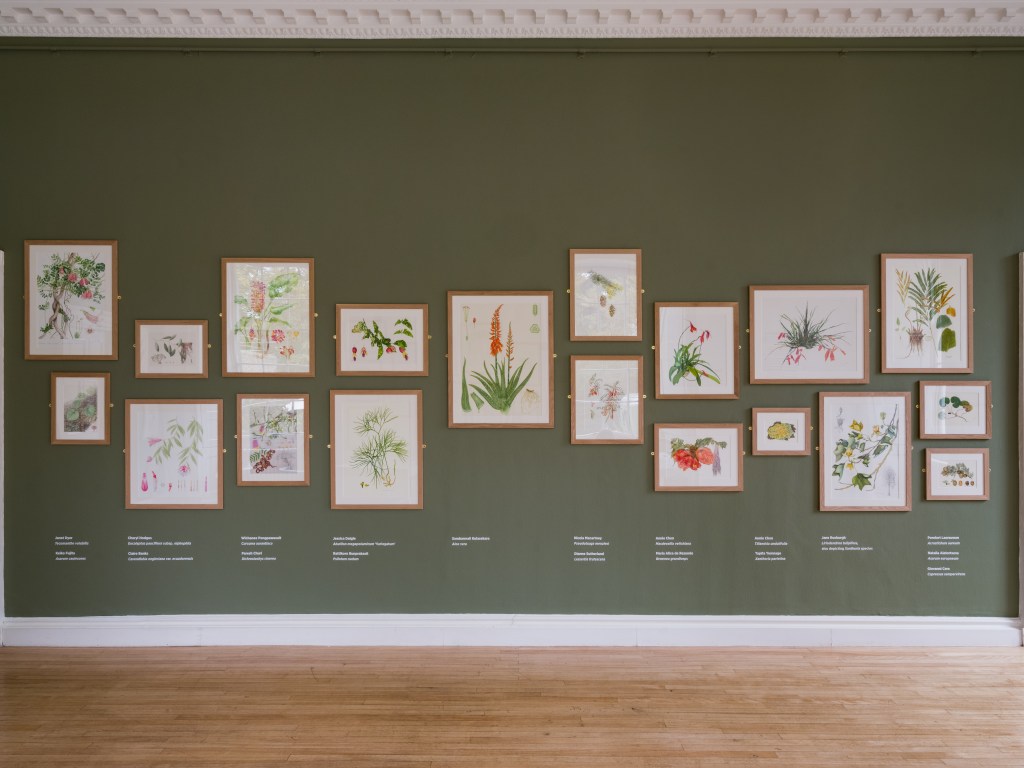
The first is factual, scientific, research-based. Packed into the first room are depictions of flowers from the Garden’s collections, submitted by botanical illustrators from around the world. I love their precision, the sense that these drawings have been set to view in HD. Glancing at these densely stacked images, their uniform wooden frames fitting perfectly with the olive green of the wall, I’m convinced there would be enough detail here alone to make an entire exhibition. Enhanced by the ikebana style floral displays, it’s what visitors might expect, might hope to see. It’s beautiful, classy, and it’s about flowers. Tick.

Florilegium: a gathering of flowers, installation view. Photo by Tom Nolan

Up the stairs, we’re taken into a somewhat different realm by four contemporary artists, Wendy McMurdo, Lee Mingwei, Annalee Davis and Lyndsay Mann. While the immensely skilled botanical illustrators are concerned with depicting the flower exactly, and in some cases, the pollinators too, the artists upstairs are more concerned with what we cannot see. The emotions and meanings we as humans attach to plants, their embroilment in our colonial past, and the metaphor of life and death a flower provides so effortlessly, are all explored here.

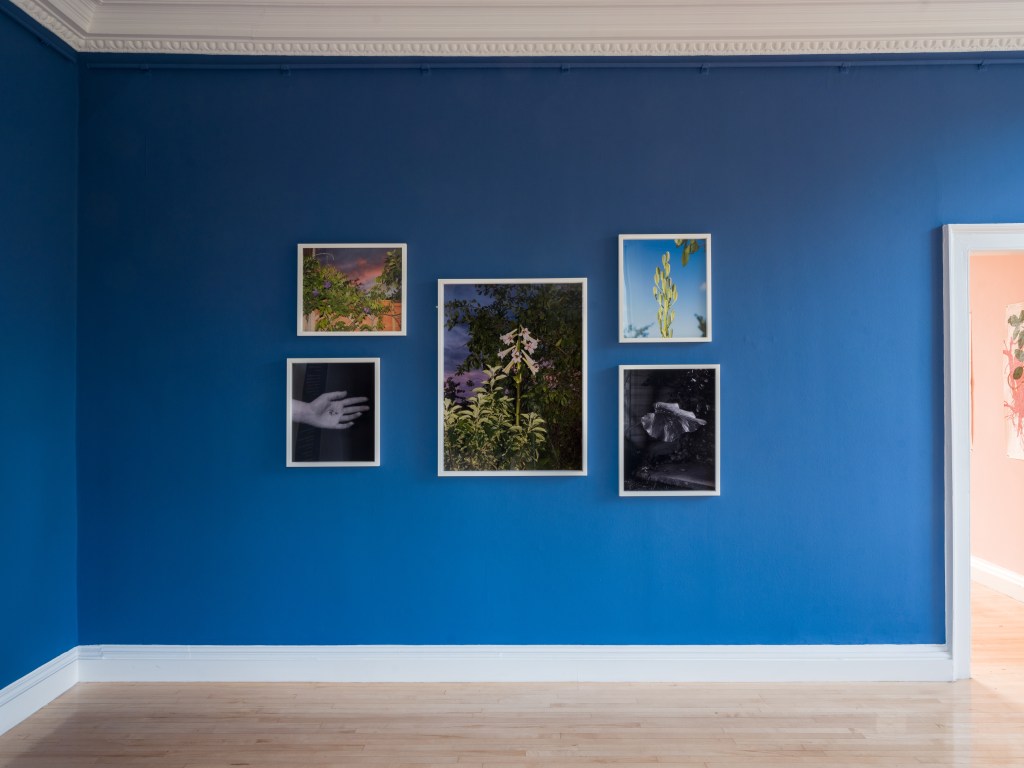
Wendy McMurdo’s photographs from the Indeterminate Objects series from 2019 use gaming software to collapse the blooming/withering lifecycle of a single flower in one vase, an eye-catching narrative that makes you look twice. Her Night Garden series (2020), reflects on how her mother’s ill health and recent death was combined and synchronised with blossoming of a large, mystery, tropical-looking plant in her suburban garden. I loved the uncanny photo of seeds resting in the palm of her hand, which looked to me like the hand itself was punctured, decaying: a wound between the states of hurt and healing.

Wendy McMurdo, ‘Night Garden’, 2020, installation view, photo by Tom Nolan

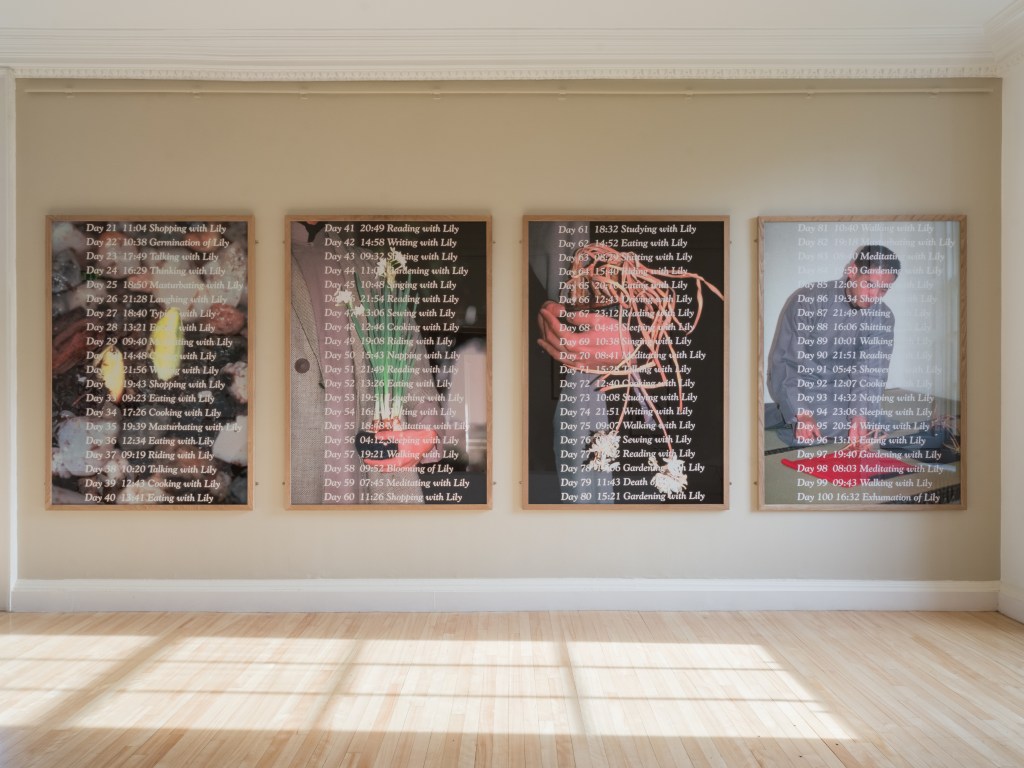
There’s a pleasant chiming here with the work 100 Days with Lily by Lee Mingwei, which documents a performance created back in 1995. His grandmother died, and in mourning he lived with this plant for 100 days, carrying it everywhere. He projects his own grief on to lifecycle of this plant, but the presence of the banal activities of daily life (Eating with Lily, Sleeping with Lily, Shitting with Lily) overwrite and undermine this strange, solemn ritual. For Florilegium, Mingwei has planned a new work called Invitation for Dawn, where opera singers will perform directly to the recipient via live video call. It sounds weird, experimental and intimate, but in a great way. You can participate between 16 November and 11 December, email creativeprogrammes@rbge.co.uk for more details on how to get your ‘gift of song’.

Lee Mingwei, 100 Days With Lily, installation view (photo by Tom Nolan)

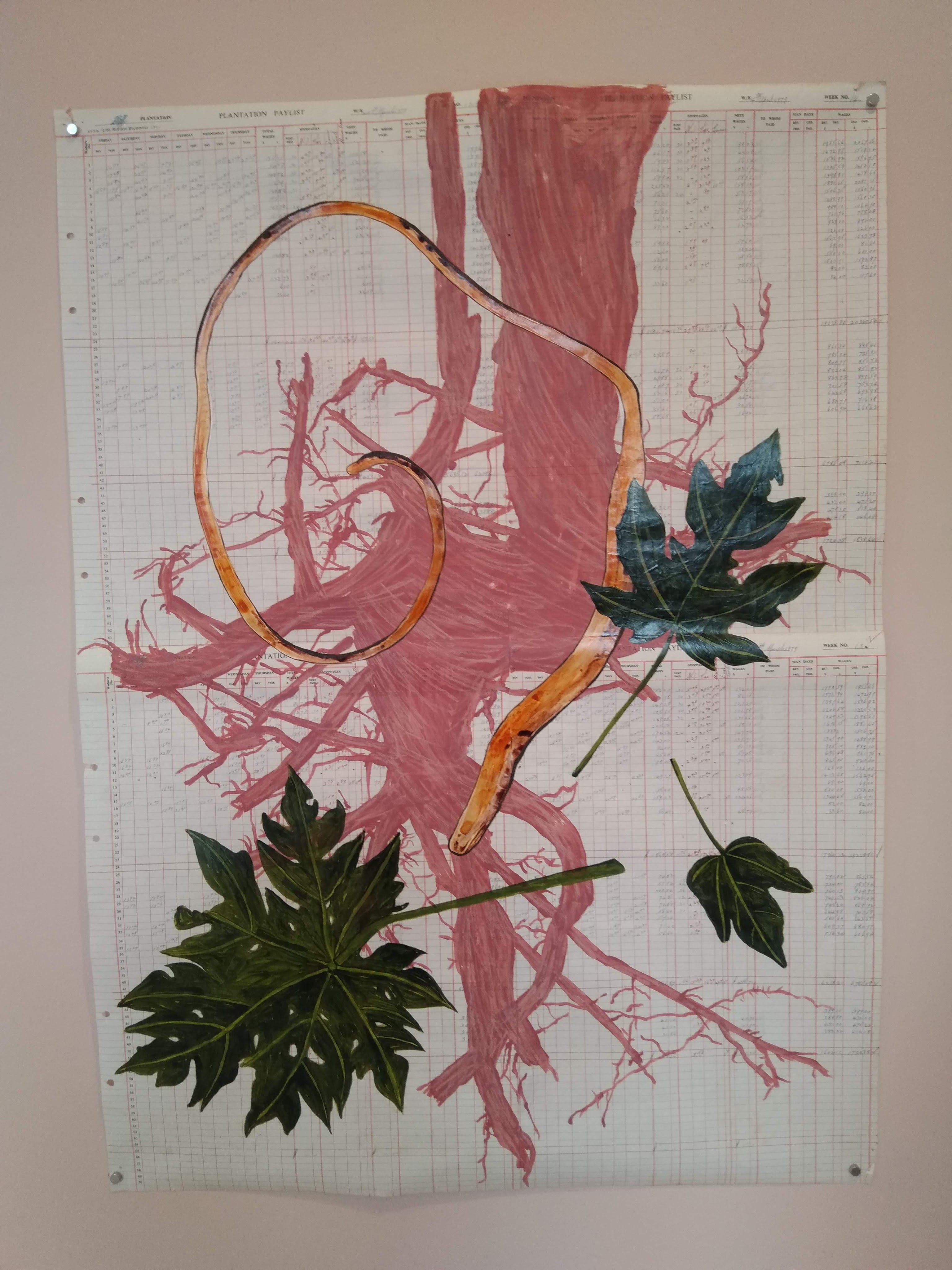
The work of both Annalee Davis and Lyndsay Mann anchors the exhibition in something deeper, bringing the role of the Botanic Garden, the collection of plants, the colonial ecosystem at the heart of RBGE’s existence, into view. Annalee Davis is a Barbadian artist whose studio is situated on what used to be a sugar plantation. Her practice investigates the history of that land, examining the power structures that have been tilled into the soil. Here, her series As If the Entanglements of Our Lives Did Not Matter (2019-20), is casually pinned up on the wall, unframed, unglazed. It immediately felt visceral and direct, denying the formality, poise and stiffness of Inverleith House. Pink, flesh-like depictions of messy clumps of roots are daubed over old payment ledgers from the plantation, which are intriguing, loaded documents in their own right. In a haunting portrait, she places two of her ancestors side by side, who though blood relatives, would have never lived together in reality, separated as they are by race and class. 

Annalee Davis, ‘As if the Entanglements of Our Lives Did Not Matter’ (2019-20), detail

Davis’ art works in dialogue with Lyndsay Mann’s A Desire for Organic Order (2016), a mesmerising film of 55 minutes which explores the RBGE’s Herbarium, where species of preserved plants are kept for study and research. Although most visitors won’t have time watch the film from start to finish, it’s a fascinating piece, which shines a light on the strangeness of it all: the meticulously categorised, catalogued, classified plants, sitting in row upon row of filing cabinets and box files, the collection expanding over the centuries as new species are found and brought to the RBGE, their final resting place. 

The violence surrounding these collections is examined at a distance, with the narrator’s voice dispassionately implying but never quite explaining what we know now, that far more care was given to these foreign plants than to the humans who lived alongside them. If you do have the chance to sit here a while, I’m sure it will make you see the exhibition, and the whole RBGE endeavour, in a slightly different light. You may not think you need this part of your world to be challenged, that you just want to enjoy the Botanics and not think too much about the difficult history and context. But it’s the ability of artists to show things you thought you knew in a new way, that is what makes them so vital to how we think about our past, present and future. That’s why we need the upper floor of the exhibition. We can’t just have a “gathering of flowers”, we need someone to tell us what they mean.

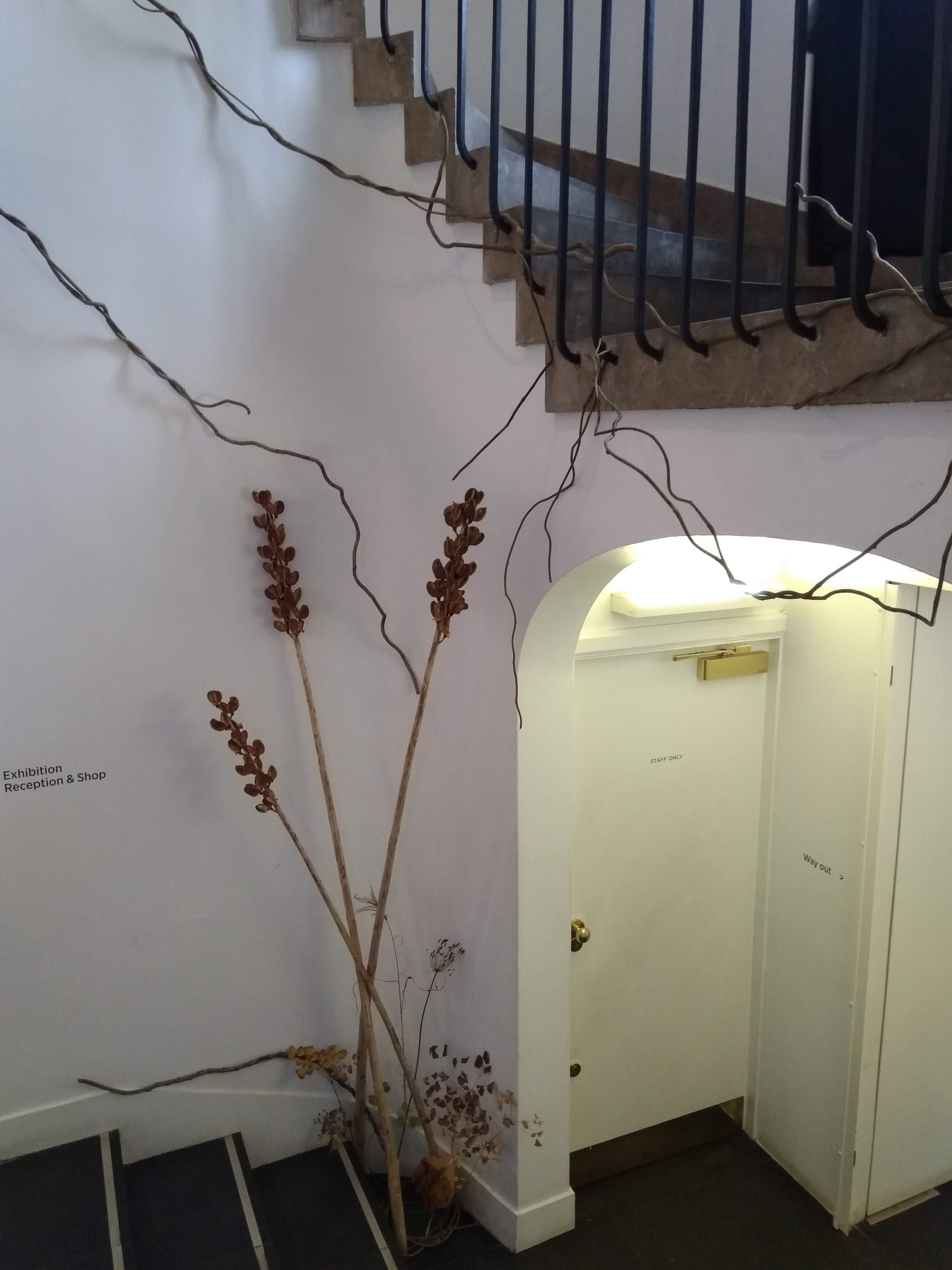
Flower displays at ‘Florilegium: a gathering of flowers’