Last week I spent a really nice chunk of time hanging out with the youngest member of my family. My nephew is two and he’s great company. He’s how I want to be: curious, reflective, eager for fun and a sponge for new information. With his wide-eyed wonderment, he has taught me how to look at art again after a long, enforced break (otherwise known as lockdown).
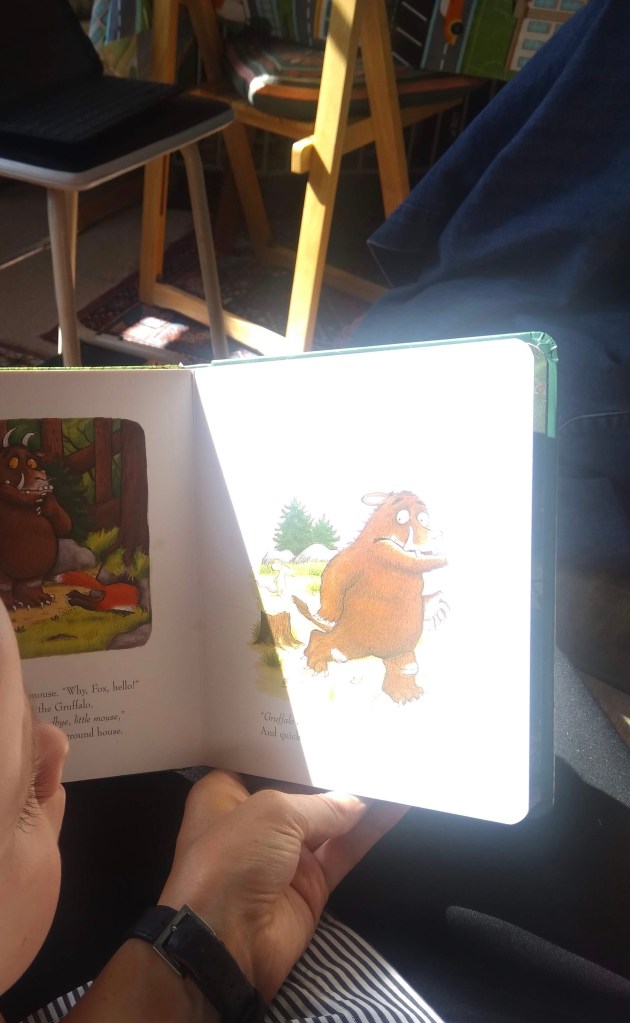
We read books together and looked at the pictures (me reading, both of us looking). Illustration is amazing, and I think a severely underrated form of art. I’m extremely lucky that in my day job, I interact with children’s books on a regular basis. Children’s books are some of the most accessible, universally loved and widely appreciated ways we experience art. The stories fascinate us, but the images are what portray and communicate the joy and terror of the narratives to young minds who cannot yet read or form sentences themselves. Fearfully gazing at the Gruffalo’s long black tongue and terrible teeth, or admiring the crisp and clear (read Scandi) aesthetic in Jon Klassen’s I Want My Hat Back, we carry the pictures with us long after the words have faded from memory.
Some of the most memorable books from my childhood were about looking at details. I was raised on books by Janet and Allan Ahlberg, searching for the characters and minuscule, meticulously written lost letters in The Jolly Postman was my delight. Later, The Most Amazing Night Book by Robert Crowther was my favourite. My nephew is also seemingly enthralled by the details. His favourite thing to do is to ask “Who’s dat?”, pointing excitedly at tiny ladybirds, trees, rocks, main characters, random piles of hay, clothes and anything else that catches his eye. Anyone who has interacted with children regularly will tell you they are incredibly perceptive and observant. Sometimes surprisingly so. They can see and sense things adults can’t.
A household favourite: The Gruffalo by Julia Donaldson, illustrated by Axel Scheffler
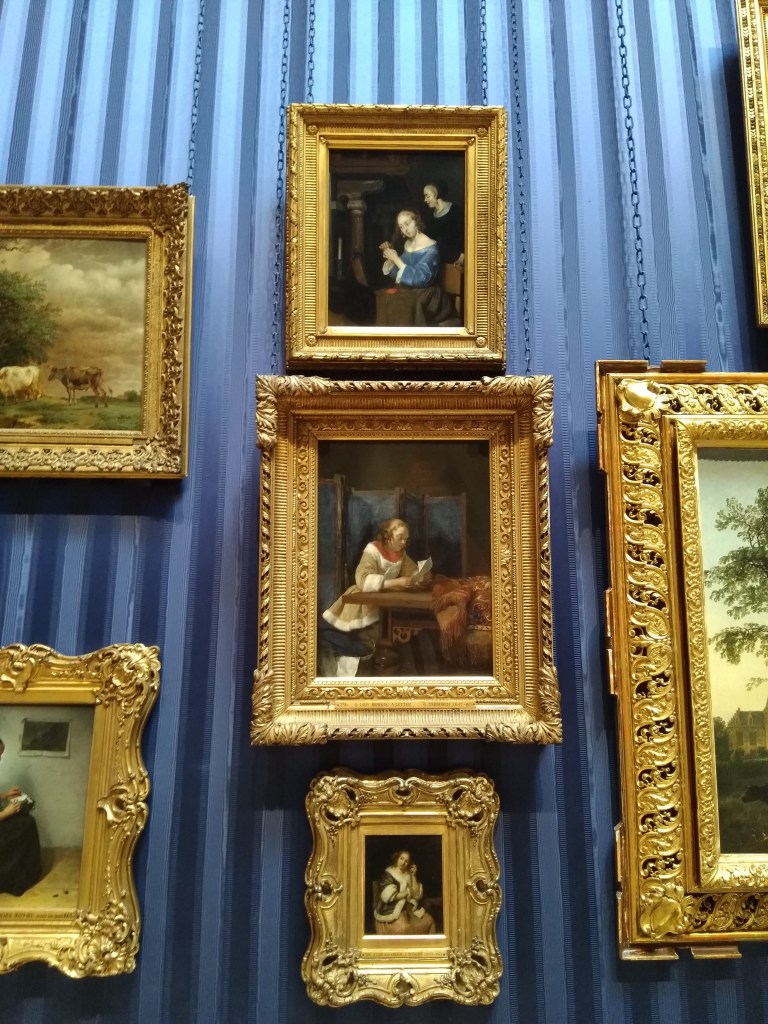
Last week, along with hanging out with my family I also went to a gallery for the first time in six months. After trawling the internet and realising most places in London had been booked out long before by far better-organised art lovers, I managed to get a midday slot at the Wallace Collection, one of my favourite places to see art, as well as admire luxurious furnishing (and pretend I’m part of eighteenth century aristocracy). I would probably go to see the silk wall hangings alone.
Blue wall silks and golden frames in a dense salon hang
I was so happy to have a slot, but despite really friendly staff and the safety measures that had been introduced, it wasn’t the most relaxing experience. It was a pressing reminder that we’re all still working through the anxieties this pandemic has produced. That the new normal isn’t going to be as good as the old normal for quite a while.
A one way system was in place and there were capacity limits on all of the rooms on the route, which created the slightly unpleasant feeling of being on a conveyor belt. Somewhat obliged to wait for those in front without pressuring them, but not wanting to take too long, disrupt the flow or be left behind, stuck in a swirling eddy without being able to rejoin the main current of my fellow gallery-goers. Not the best atmosphere for being absorbed by and for absorbing art.
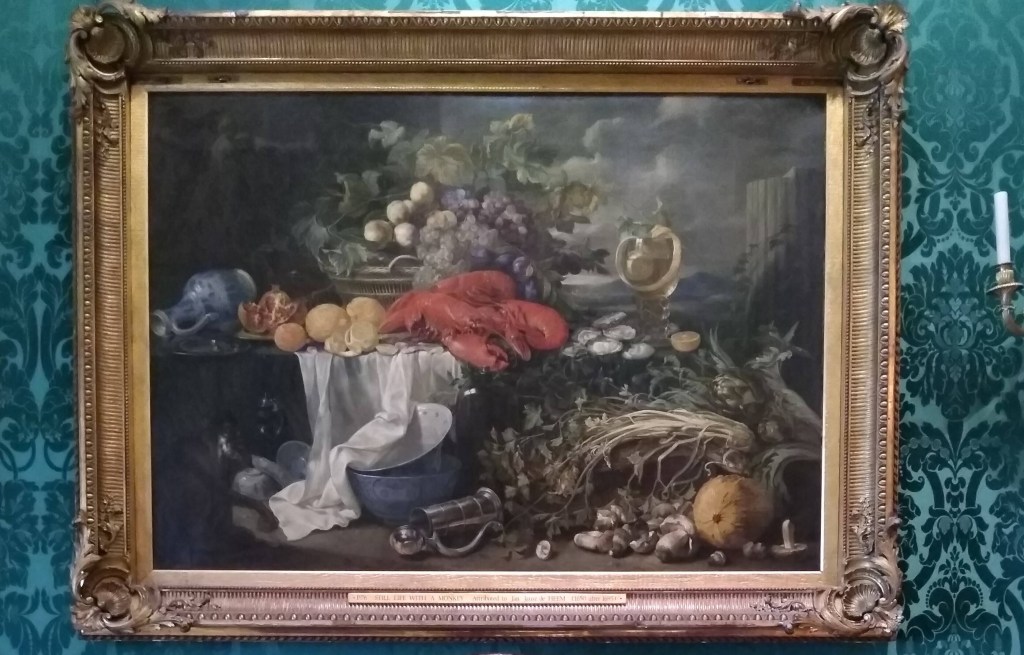
I spent the first part of my visit worrying about the choreography of my movements between my fellow observers, concerned I was getting too close, getting mildly annoyed with pushy people behind me. But then I saw an oil painting, Still Life With A Monkey, attributed to Jan Jansz de Heem (c.1670-95), that made me stop in my tracks. I thought about my nephew, how much he would love looking at the cornucopia of riches in the painting and examining all the elements, individually interrogating their form and purpose. I stepped off the conveyor belt and just looked.
Still Life With A Monkey, attributed to Jan Jansz de Heem (1670-95)
The spiral of lemon peel, the oysters, the mushrooms scattered on the table, the oozing pomegranate, the jug on its side, the tankard on its side, the bright white cloth, the monkey?! This kind of artwork demands your time, forces your eye to wander. We understand that still life paintings are often laced with double or even triple meanings (broken column = transitory nature of human life), but just looking at the surface level composition of what is there, without any further knowledge of iconography or semantics, is a pleasure in itself. The brightness of the lobster, the chaos and excess of it all, the way the food packs 7/8ths of the entire canvas, the needlessly dramatic sky behind. The above is my photo taken on the day, but there’s a brighter, slightly yellowy version of the painting here if you want to look more closely at the details.
Much of what drives my blog and my Instagram is a need and a wish to celebrate the everyday, to encourage others to read the notes in the margins, to slow down and enjoy colours and contrasts, patterns, eccentricities, particularly of city life. We can apply this attitude to great paintings in grand houses too. We think we know still life paintings. I imagine they’re the paintings most readily walked past without so much as a second glance because they are rarely super-famous showstoppers — but let’s take this opportunity to recognise how very bizarre and beautiful they are.
When we return to art galleries, they might not be the same as they were. But if we remember to approach art with curiosity, to take time, and notice the details, even if we haven’t got the brain space to work out what they mean, they can bring us both joy and a little peace. As from now, I’ll be adopting the “Who’s dat?” philosophy of close looking. That’s how I want to return to engaging with art as lockdown lifts. I’ll encourage you to do the same, but if you’re not feeling ready just yet, you can always start with The Gruffalo.
A few of my friends, who know I’m interested in public space, memorials, statues and public art (because I’m constantly banging on about it) have asked me what I think about the debate raging over statues in Britain. In order to try and express this, I’m going to draw on something I wrote during my MSc at Edinburgh College of Art last year, which takes two case studies from the USA as its main examples.
I want to show that public art, including performative rituals such as protests, can usefully inform debates around our identity, and that a frank discussion of visual culture in public spaces remains vital for understanding the public sphere we operate in today.
The essay was written for a class called Art in the Creative City, run by Harry Weeks (now at Newcastle University ). I’ve taken out large chunks, removed the footnotes and edited it fairly heavily in the interest of making it more accessible. If you want to see my reading list or access the original essay, send me a note in the comments, or DM me on Instagram. Events are changing so fast. ‘Statue defenders’ are holding protests at London’s Cenotaph as I write this. I’ll try and keep up with the momentum. Asterisks mark the start and end of the essay section, before sharing some of my thoughts on the situation in Britain.
***
The question of who is commemorated and who is erased in public space is one that is charged with different interpretations of history, politics and the concept of identity. Historically, public art has reflected the power of the dominant forces in society, because having a presence in public space, being deemed worthy of representation, is a signal of power, status and money.
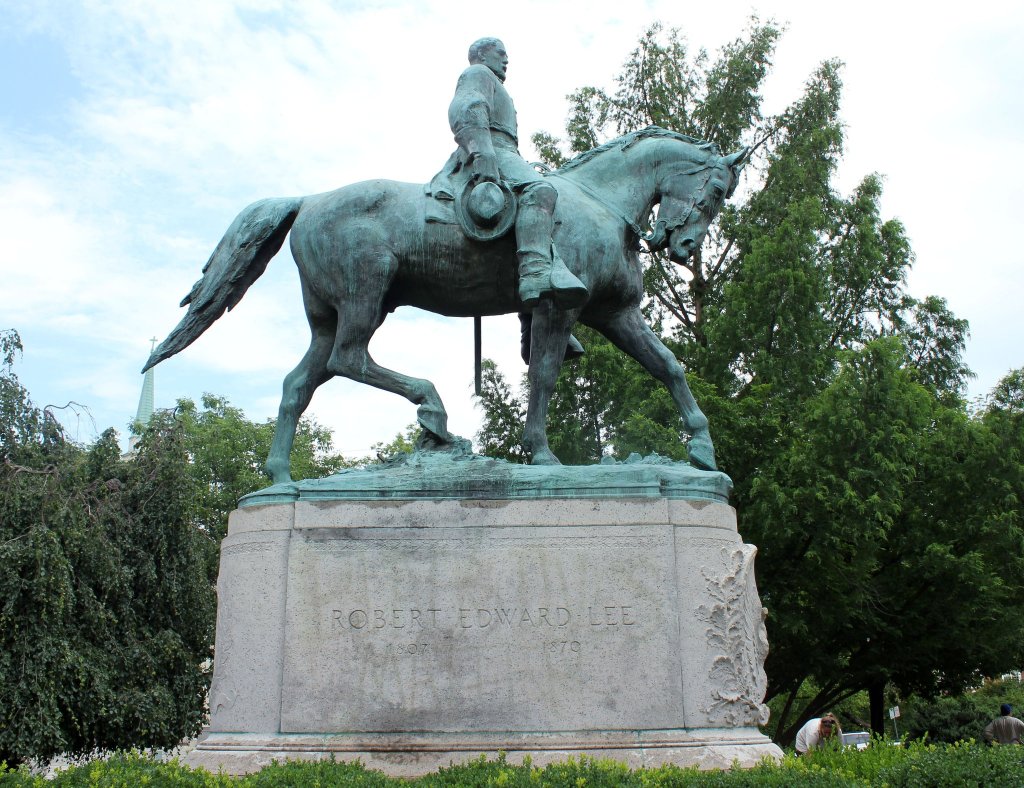
Statue of Robert E. Lee, Charlottesville, VA., (1924), bronze and granite, (7.9m × 3.7m × 2.4m including plinth)
The turbulent history surrounding the equestrian statue of Confederate General Robert E. Lee in Charlottesville, Virginia, is indicated by the renaming of its location three times over the past three years. Formerly Lee Park, it was briefly to become Emancipation Park, and now is known as Market Street Park; the difficulty of finding the right name for the space directly connects with the controversy around the statue of Lee. The monument was erected in 1924 as part of the wider movement known as the ‘Lost Cause’, which intended to frame the participation of the Southern States in a Civil War narrative of heroism and gallantry, with similar monuments erected in nearby Richmond, Virginia and further afield. In Charlottesville, city councillors took the decision to remove the monument in the spring of 2017, though its removal was delayed pending a legal challenge. During the delay between March and August of that year, the statue became a rallying point for far right groups, who protested against its proposed removal. Over the summer, a number of protests and counter-protests for and against the removal of the statue culminated in August, when violence at a rally for ‘Unite the Right’ resulted in the death of Heather Heyer, a peaceful protestor. The event was reported widely on national and international news.
As a piece of public sculpture, this statue and its interpretation as a symbol of either hateful racism or historic pride by different sides of the debate, is at the centre of these political events. The visual symbolism of the statue and the differing aesthetics that emerged around it, are therefore highly relevant. As embodied rituals, protests, marches and vigils can be read as forms of performance, which use visual tools to enhance their legibility and potency. The rallies both for and against the Robert E. Lee’s removal were no exception.
During a rally in May 2017 protesting against the removal of the sculpture, the leader Richard Spencer was heavily criticised for promoting the use of torches, which were interpreted as an symbolic visual invocation of Ku Klux Klan gatherings. Spencer’s response was to deny that the torches had any reference to the KKK, but justified their use on the basis of their ‘beautiful aesthetic’. This argument, highly doubtful given Spencer’s overtly white nationalist views, attempts to justify the use of a controversial symbol of terror on the basis of an aesthetic effect. It shows the extent to which aesthetic and political strategies are interlinked, and highlights the ways in which public art and aesthetic gestures can be (mis)used as tools for political agitation, whether progressive or regressive.
Scholar David Harvey has convincingly argued that cities as public spaces are constantly in a symbiotic relationship of shaping and being shaped by their inhabitants, through their political, intellectual and economic engagement. It is therefore no surprise that public art is persistently at the centre of debates about identity, collective memory, history and politics, and a whole range of different ideas about right and wrong, who is represented, and who is erased. The case of the Charlottesville statue of Robert E. Lee shows this in action. So far, the statue has been analysed as a magnet for far-right politics, but there are other tactics at work too, interventions that successfully question its validity as a supposedly heroic symbol.
On a purely formal level, the equestrian statue of Robert E. Lee, raised up on its stone plinth, works within the visual language of dominance and power: gazing up from below, we see nothing but galloping hooves. In 2015, prior to the council’s vote to remove the statue, the words ‘Black Lives Matter’ were sprayed on its plinth, and although removed soon afterwards, the outline remains vaguely visible. While many might categorise graffiti as anti-social behaviour and vandalism, Lucy Lippard has framed these kinds of gestures as ‘wake-up art’, and assigns them a significant role within the field of public art, with the capacity to call attention to problematic places and to galvanise communities into action. The political resonance of the graffiti gesture in this context, proven by the groundswell of support for the campaign to remove the Charlottesville statue, is indisputable. In February 2019, further graffiti covered the statue’s plinth, and it is likely that these gestures will continue to be enacted on the statue until its fate has been decided in the legal courts. In this context then, the graffiti acts as a kind of reframing mechanism, reminding passers-by and the media that the debate has not gone away. Statues and monuments commemorating military leaders who fought to defend slavery remain unacceptable to swaths of American society, and especially painful to the African-American community. The debate will continue in public life as long as these contentious symbols remain standing in shared, supposedly equal-access public spaces.
By existing in public spaces, public artworks and their interpretation are fundamentally unpredictable, just as people themselves can be unpredictable. Instead of being confined to the space of a gallery or museum, where artworks are constantly under surveillance and accessible only to a minority of people, public art is out in the open. It is exposed to all passers-by and, while this means it may exist completely unnoticed, equally it can also function as a site of intervention, either in the form of graffiti, or by being used as rallying points within performative gatherings, such as protests and vigils. It is through this very unpredictability and spontaneity that these public works can attain their meaning, and spark debate about what kind of society we wish to construct. Public art in all its forms can help to inform our debates about who is visible, who is represented in our public spaces, and can help us to articulate our equal responsibility in building our shared ownership of them.
Though the graffiti intervention on Robert E. Lee’s plinth effectively brings the sculpture back into the discursive realm and questions its validity, ‘wake up art’ is not the only option for diversifying public spaces. The right to be officially recognised in public sculpture and represented within the ‘symbolic public landscape’, to use Magdalena Dembinska’s term, is also important for the assertion of minorities’ identities.
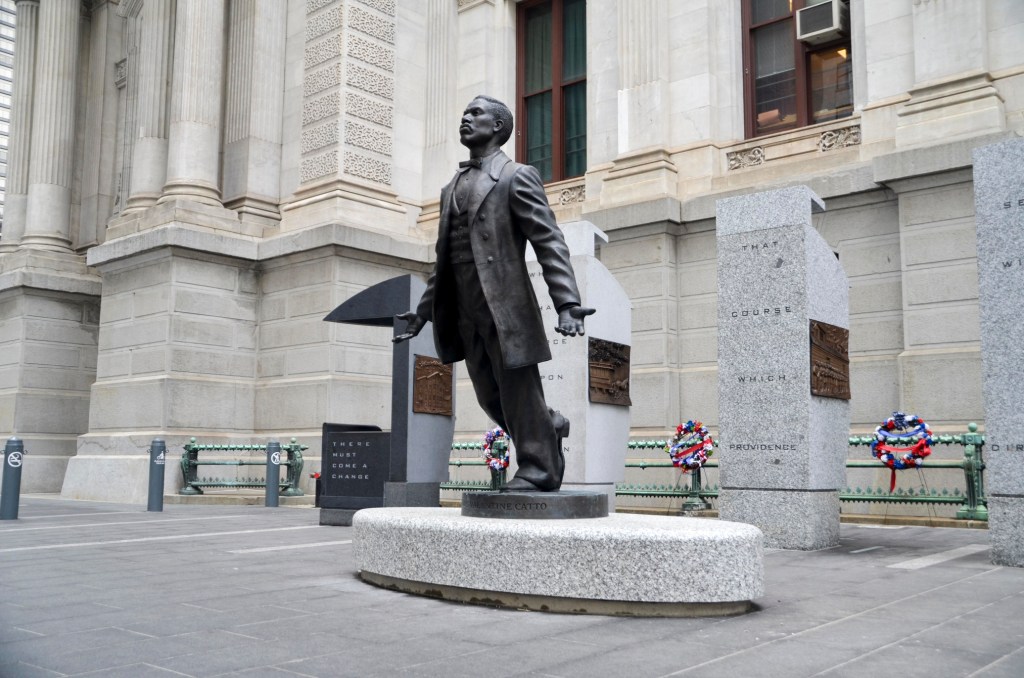
Branly Cadet, A Quest for Parity: The Octavius V. Catto Memorial, (2017), bronze, granite, and stainless steel, statue height 3.6m
Branly Cadet’s 2017 monument A Quest for Parity: The Octavius V. Catto Memorial, which is situated on the southwest corner of Philadelphia’s City Hall, is a useful example. The memorial is comprised of multiple elements which together form an impressive monument to an extraordinary figure – a Civil War-era activist who campaigned for the rights of African-American citizens – who is clearly deserving of recognition in the public sphere.
The monument operates strictly within the confines of the traditional aesthetic of monumental public art, through its figurative use of bronze, and its position outside City Hall. From a formal perspective therefore, it does not push the boundaries or challenge its viewers aesthetically – it is clearly designed to avoid provoking controversy. Yet this is perhaps the very purpose of the Catto monument: it allows African-Americans to assert their presence and validity within the mainstream tradition of monumental forms. The sculpture’s title, A Quest for Parity, specifically refers to Catto’s campaigns for equality. Yet the monument itself is also a reassertion of that quest for parity within public art and representation in the public arena more broadly. The monument therefore is an example of how traditional forms can also help to raise visibility of minority communities, and that their presence in the public arena need not only be represented by avant-garde artistic strategies or counter-monumental interventions.
Public art is embedded in a political landscape. In whatever form it takes, in both its inception and its interpretation, it is informed by differing ideological positions and political beliefs: what remains standing and what is removed from our parks, squares, and the façades of government buildings reflects the societies in which we live. Artworks can be deeply divisive, and can expose latent divisions within societies in ways that can be traumatic and will require healing. Art has the power to spark and intervene in public debate.
What was revered, relevant and what was commemorated in the past may not always be admirable and appropriate in the present and future, which is why those who manage public spaces need to enter into dialogues with the communities and individuals who use them. Artworks that evolve and change help us to question the notions of one fixed ‘public’, and can encourage us to embrace flexible visions of the public sphere, and recognise multiple viewpoints, helping to make those who had been invisible and unheard part of the many voices that make up public life.
***
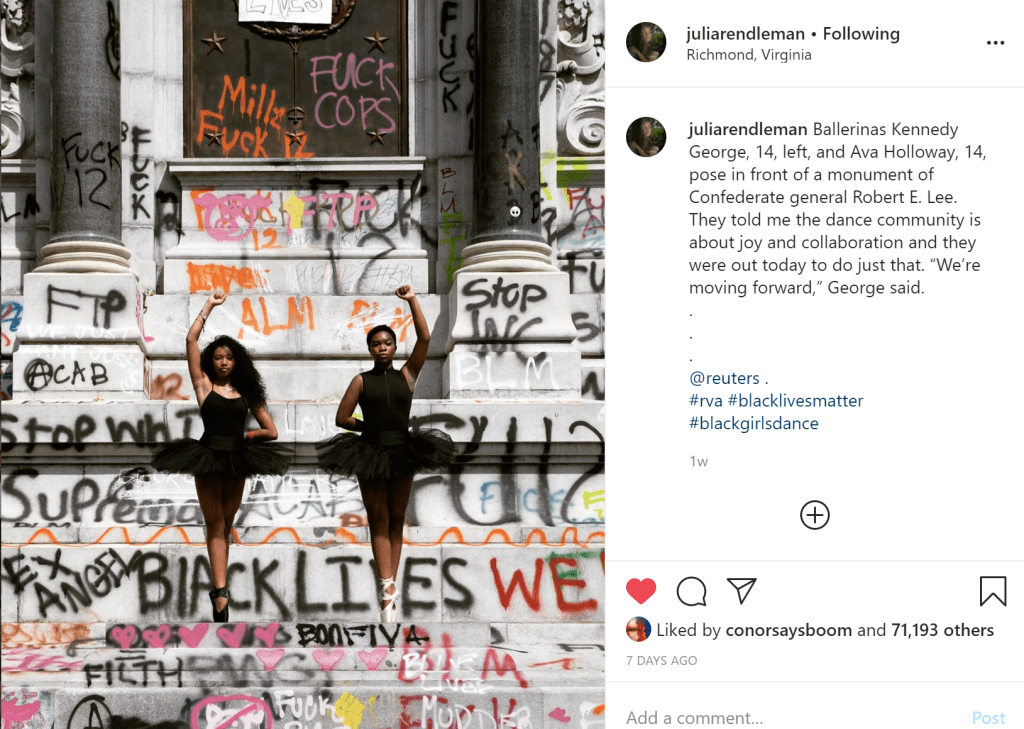
Fast forward a year and after the murder of George Floyd by a police officer, a wave of social activism has swept the US and Britain. In Richmond, Virginia, the government has pledged to remove a statue of Robert E. Lee on Monument Avenue. Images on Instagram of black ballerinas posing below the monument, now covered in graffiti, depict a significant historic moment and show the power of activism. Neighbouring Charlottesville campaigners are relieved that their state authorities are finally acknowledging the hurt these monuments have caused, and hope it will hasten the removal of Lee’s statue from Market Street Park.
In Britain, the argument over who is permitted representation in public space seems to be right at the heart of the nation’s identity crisis. There are a few thoughts I have to add to this debate, which is constantly evolving. Firstly, it is a good thing our public monuments are under scrutiny. They have remained invisible in plain sight for far too long.
The statue of Edward Colston that was forcibly removed by anti-racist protestors and symbolically dumped into the River Avon, where his ships that carried slaves across the Atlantic would have docked, was a momentous and powerful act. The act of its removal has done more to educate people about Britain than the passive existence of the statue itself ever has. As historian David Olusoga has said, rather than the erasure of history, this was the writing of it. Removed in this way is actually far better than had it been quietly taken down by the city’s authorities. It was a moment of activism, a kindling of hope that change could be possible.
For this reason, I don’t believe the statue should have been retrieved from the water so hastily, and I don’t believe it belongs in a museum. As stated above, museums are accessed by a small proportion of the populace, whereas the public space, city squares and streets, are used by us all. (Or were, until coronavirus forced us back to the private sphere, an act which though necessary and in the interest of public health, will serve to entrench the inequalities already prevalent in British society). Rather, Bristol City Council could commission an art piece which works in dialogue with the local community and their city to respond to Colston’s removal: an artwork which shows the journey of the statue from its plinth to the waterfront. Leave the plinth standing empty – the equivalent of an empty chair at a political debate. Leave up the graffiti. Use the landscape and the statue’s journey within it to teach people about Colston, about the legacies of the slave trade upon which Bristol and Britain’s wealth was built.
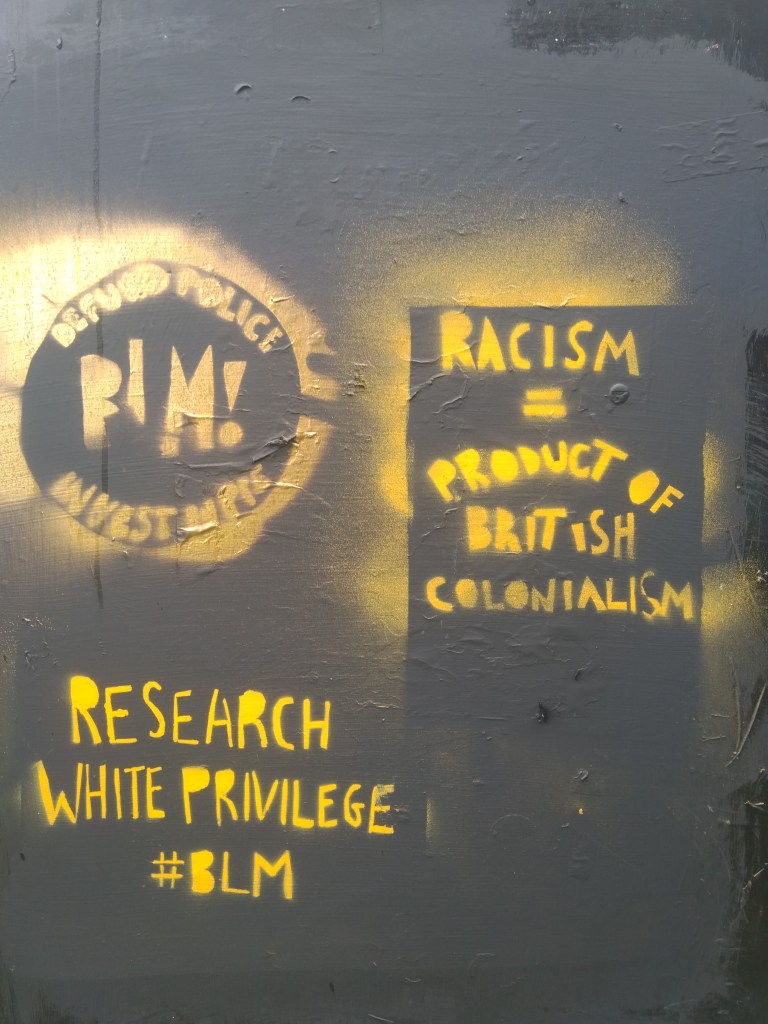
Graffiti on the Meadows, Edinburgh, 13 June 2020
For far too long have the British seen themselves as the “goodies” of history, an idea that has been perpetuated by an education system that doesn’t include the British Empire or colonial rule. I had to do a history degree before I was really exposed to these aspects of our past. If we need inspiration, our European neighbours have examples of public art that helps passers-by work through the traumas of the history. The Berlin wall is commemorated by a copper line which traces the footprint of where the barrier once stood, an artwork woven into the urban fabric which educates but doesn’t erase. Britain could learn a lot from Germany when it comes to acknowledging the past through the use of public space and visual culture.
Understandably, the movement to reassess our statues and monuments has now gathered significant momentum, and other historical figures have come into focus, which has exposed some uncomfortable truths that many would rather sweep under the rug. I think, or would hope, that the vast majority of people agree that slave traders like Colston should have removed long ago. Meanwhile, figures like Winston Churchill and Robert Baden-Powell attract both support and denouncement. Many see these men as heroes, while others reject them for their support of ideologies which, while perhaps common in their day, are not to be celebrated in 2020.
I personally know that the Second World War was not won by one man, and believe that it is possible (and more constructive) to celebrate the now inclusive and welcoming Scout movement without glorifying its founder. However, when I ‘read the room’, and see who is in power in the UK, I think we may have to concede the impossibility of removing all contentious historic figures from view in this current climate. If that is the case, then we need to level the playing field by following the example of Brandy Cadet’s Octavius V. CattoMemorial: let’s commission artists to create monuments to those who have been forgotten, the historically powerless and marginalised. Edinburgh infamously has more statues of animals than of women. If we can’t topple the statue of Henry Dundas in St Andrew’s Square, let’s set up a sculpture that counteracts the ridiculous, phallic intrusion of his monument on our city’s skyline. Let’s insert the narratives of the witches who were publicly executed, the Windrush generation, the LGBT+ community, working class voices, immigrant communities and all who have built our cities into the diverse and interesting places they are today.
Public art can help to articulate and inform our very understanding of who we are, and how we operate in the public sphere, as both individuals and within the groups to which we identify ourselves as belonging. Britain is a deeply divided society, so a proper exploration of our art, which acts like a mirror, can be a way of working through and understanding these divisions. It’s not going to be an easy task. It’s not going to be pretty. There will be lots of feathers ruffled, tears shed, arguments and fights in the process, but asserting our public spaces as sites for activism and debate will be a necessary catharsis, and will enable us to ‘build back better’ in the imminent future.
‘Wake up’ art at a bus stop in Edinburgh, seen 13 June 2020
I recently found an old hard drive I’d stored photos on for many years, dating back roughly to 2009 – pre cloud storage and Instagram. Back then, I was getting ready to leave school and move out of the family home I’d lived in for most of my life. Finding these photos now, I’m struck by what you can learn about yourself by seeing what you’ve carried with you, and who you’ve journeyed with, over the years.
I never thought I’d taken that many pictures, and yet here they are. A selection of moments documenting around 8 years of my life. Over that time, what did I decide to photograph? Is this curation, of a sort?
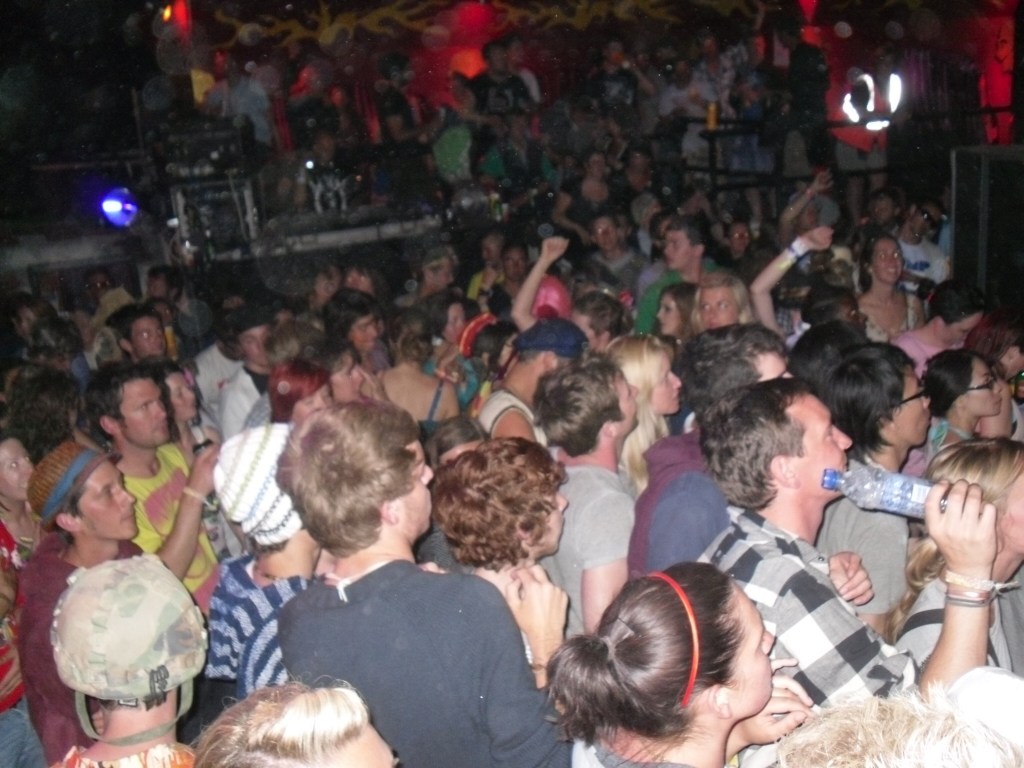
Of course, my favourite photos, the ones that give me the most pleasure, are those of people. Family and friends, people I’ve held close, literally, over the years. My appearance has barely changed, I’ve never had an interesting or drastic haircut. But despise the lack of intrigue provided by my personal aesthetic, these pictures of people together show moments of joy, some of which feel so distant now – a packed Shangri la at Glastonbury in 2010. Look how many people are in such close proximity!
Shangri-la, Glastonbury, 2010
There are a couple of art photos, but not that many. Before formally studying and writing about art, I don’t think I took many photos of paintings or sculptures. In fact, I thought that was lame. That it was a distracting side quest which got in the way of the true purpose: engaging directly with the art, without intermediaries. Yes, I was a censorious undergrad. Now of course, photography is one of the prime ways I engage with and consume art.
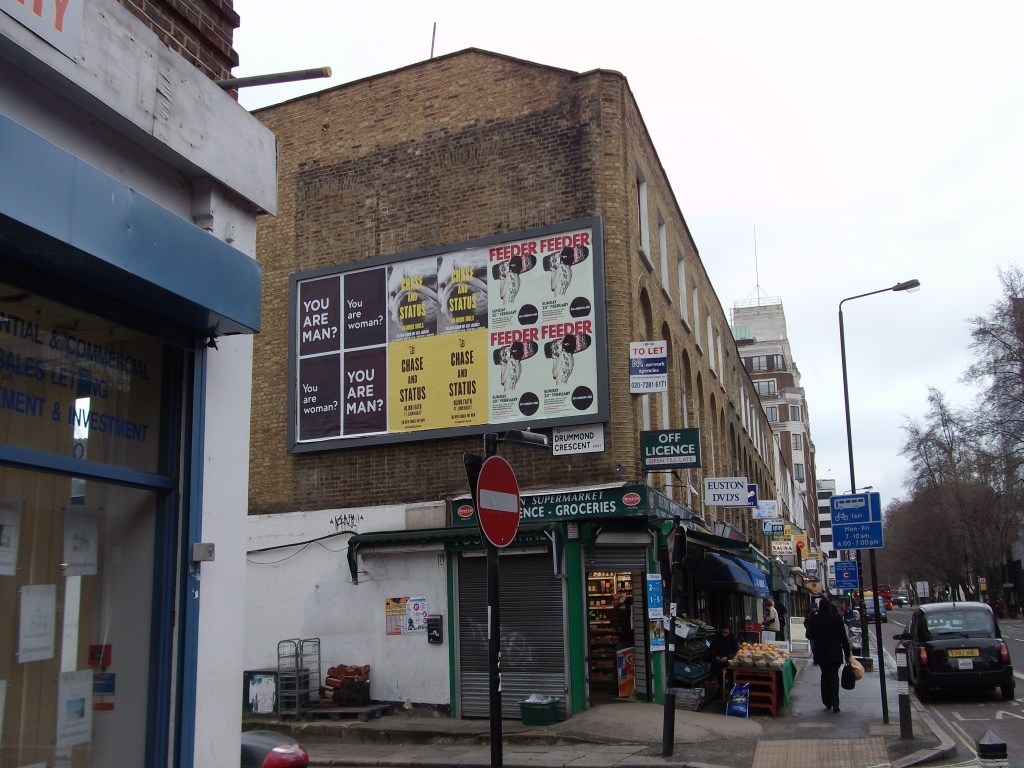
Themes start to recur. There are photos of old buildings, the backs of houses. The patchwork aesthetic of cities, their layering, has always appealed to me. I like seeing things in multiples, billboards that repeat themselves, tiny bricks, signage, squares of different colours and textures that make up a whole.
Drummond Street, London, as a patchwork quilt
It turns out that the idea which underpins Encounters Art, of finding intrigue or humour or beauty in the everyday has been there for a long while. There are more photos of graffiti, ephemera, what I call ‘notes in the margins’ than there are of Art™, and each of these is loaded with associations and place-memories. My photo library treasures are a bin in Berlin that screams “HATE Gentrification” and an annotation on a signpost in New Haven (the home of Yale University) that advises, “God = 1st / College = 2nd).”
Bin graffiti, Berlin, 2012
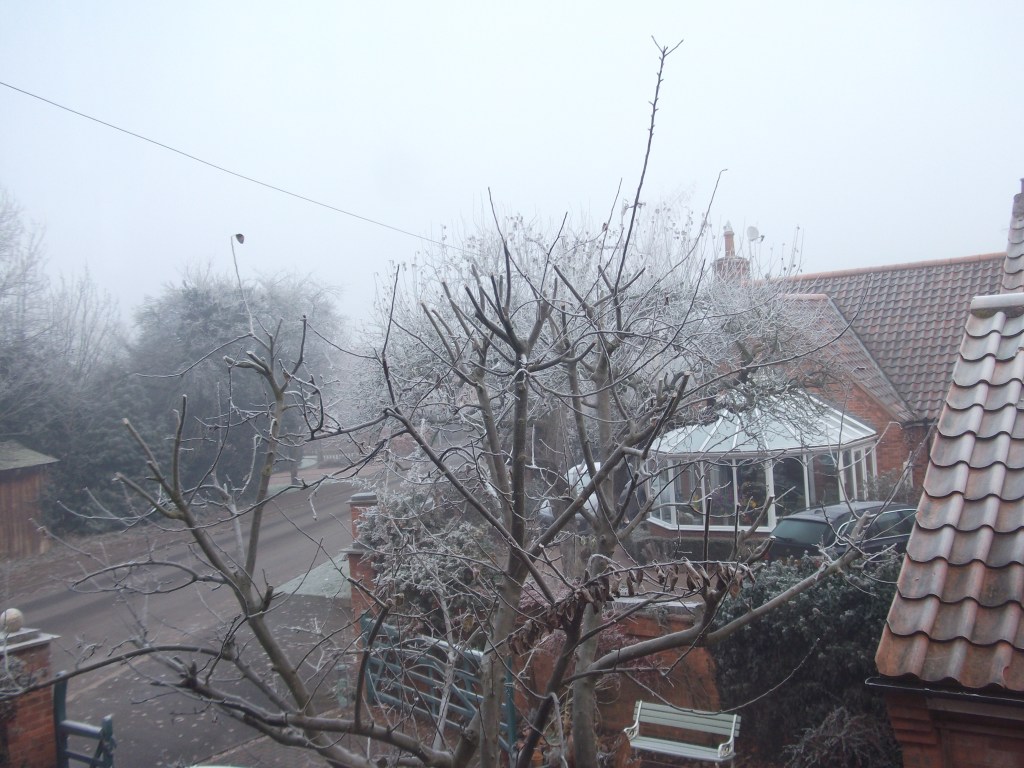
Some of the photos that unexpectedly chimed with me were of a different kind of ‘everyday’, not in the city but at home. There aren’t many of these – clearly we don’t document where we live as much as the special, occasional, noteworthy moments in our lives. There’s a photo from my childhood bedroom window which I must have taken to preserve the delicate lattice of snow and frost on trees and buildings, but now it’s everything else, the normality of it, that resonates.
The view from my bedroom from 1992-2010
Looking back at the somewhat unremarkable picture, I realised that the view I saw every day for nearly 18 years (the apple tree in the garden, our neighbours’ grand conservatory they never used) had been forgotten. Or rather, it was covered in memory-dust that had gathered over years without me realising, which I hadn’t bothered to wipe away. Even my basement room in university halls of residence, a place I hated, seems interesting at this distance, captured in blurry photographs, hastily taken and packed away until now. Artists who work with found objects (a genre I, perhaps predictably, love) have understood that things don’t actually need to be our own to feel intimate, to resonate. Certain feelings, moments, memories are almost universal, though drawn from vastly differing actual experiences.
Perhaps these images of home interiors and window views have taken on a new significance since lockdown began. Looking at these photos didn’t feel simply like a trip down memory lane. I felt more like an archivist with the task of retrieving and reviving the forgotten. Unraveling continuities and disruptions in relationships, places, things my eyes have been drawn to, was a task which felt like the psychological equivalent of traveling. It gave me reassurance I think I needed, that this period of staying at home doesn’t have to be a vacuum because nothing has really happened. That memories can be made out of and despite boredom, via the simple act of taking a photograph from your window, or failing that, just looking out of it.
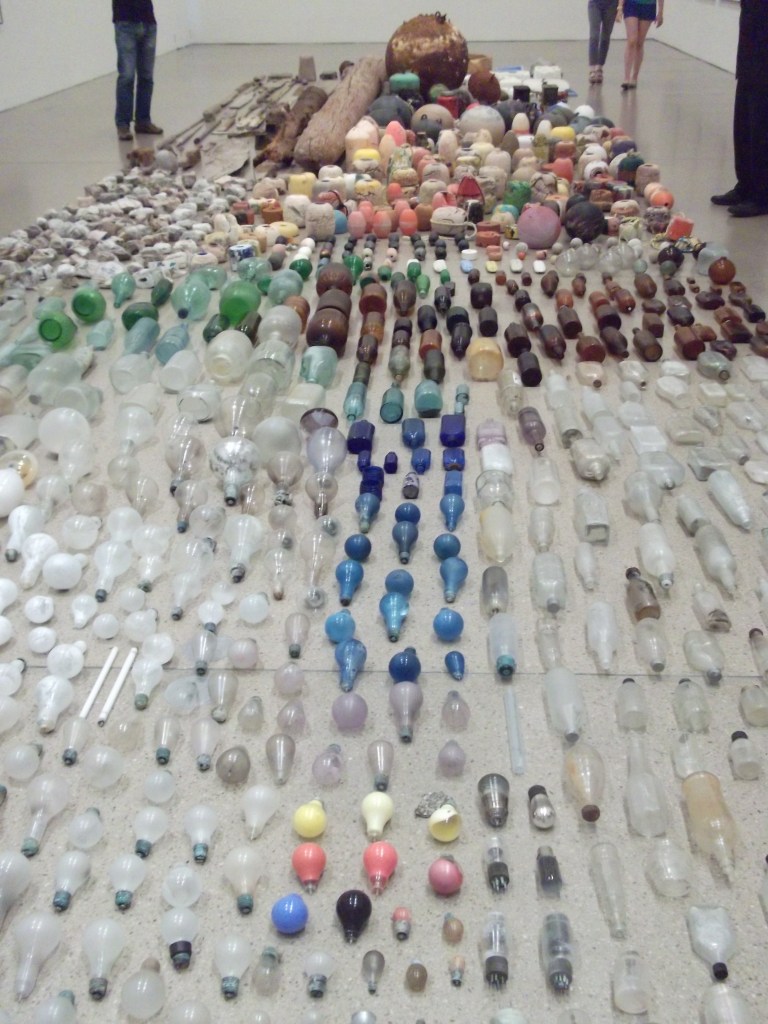
One of the exhibitions I did photograph, Gabriel Orozco, Deutsche Guggenheim in Berlin, 2012
It is often said that the two prime events that modern Britain’s identity is founded upon are victory in the Second World War in 1945, and the founding of the National Health Service in 1948. With the 75th anniversary of VE day on Friday, and the ongoing coronavirus pandemic, I’ve been thinking these things through lately in the context of British identity.
I’ve been helped on with these thoughts by a film by Alberta Whittle, presented as part of Glasgow International’s Digital Programme. The film is called business as usual: hostile environment (2020), and it was made especially by Whittle for the Digital Programme, adapted from a longer commission she had been working on.
Firstly I need to tell you, that if you want to watch the film you have to do so now, because today is the last day of Gi’s Digital Programme (though hopefully Whittle’s work will be added to her website soon afterwards). I wrote about two other Gi works in the previous blog post, but I needed to sit with this one for longer, because it’s more political, and therefore by nature it is harder to write about.
This is art as activism. It encompasses huge issues, from the treatment of immigrants and the hostile environment, to the Windrush scandal, to the lack of PPE available for frontline staff because of the government’s sluggish reaction and mismanagement of the unfolding COVID-19 crisis. I’ve read it as a reflection on British identity, and the holes in the narrative of that identity. That’s a lot to fit into one artwork, a 16-minute film which pieces together archival footage, news reports, computer generated images and home-movie style footage of a family’s day out on a boat.
Despite the difficult issues broached, its juxtapositions are delicately balanced, so the imagery is not overtly violent or traumatising to watch. Painful subjects are contrasted with some beautiful footage of couples dancing from the archives of an early 1950s Britain, which then sit side by side with brief snapshots of racists marching, and National Front graffiti covering a bridge. Whittle makes use of the split screen to heighten these contrasts: a very grey-looking Britain is paired with what we assume is the clear, beautiful Caribbean sea. Towards the end, a long duet with vocals and drums raises the tension and serves to make the viewer feel uncomfortable. That’s ok though: art doesn’t exist for pleasure alone.
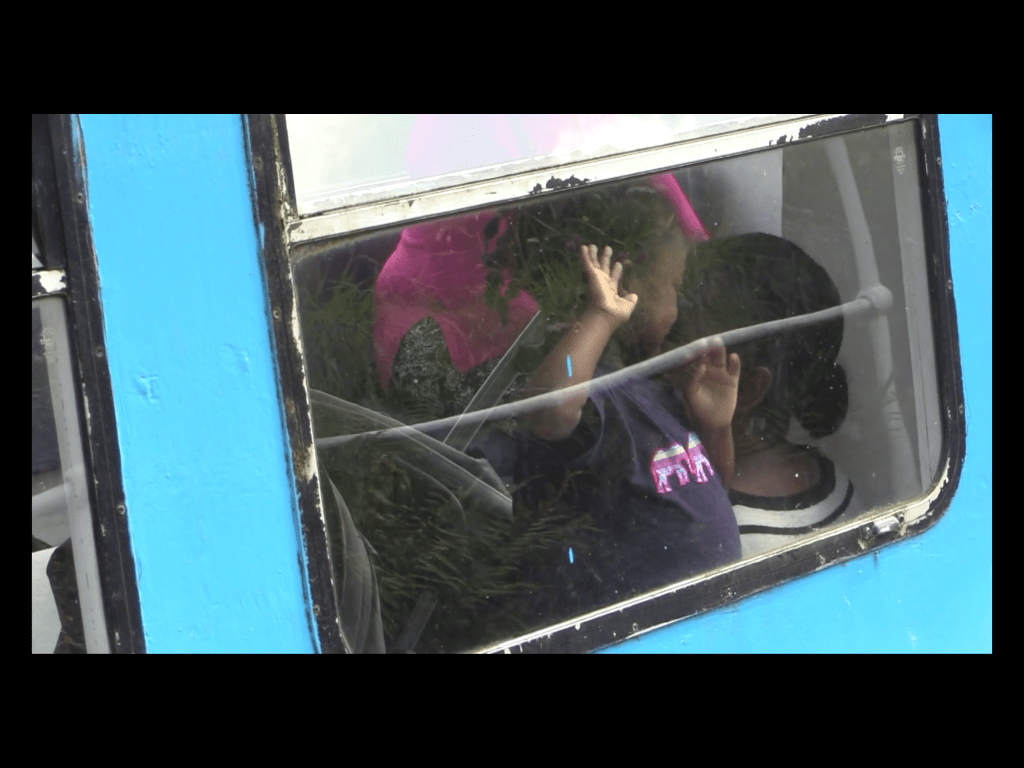
The film persistently subverts the romantic ideas around the images presented. It is partly a response to Visit Scotland’s theme for 2020, Coasts and Waters. What we (and Visit Scotland) might expect from that theme are artworks that respond to and promote Scotland’s amazing coastlines, images of peaceful landscapes with lochs reflecting mountainous scenery. In contrast, Whittle’s work looks at the role water, specifically the Glasgow Forth and the Clyde Canal, have played in the movement of people. There is one image that captures the cleverness and poignance of the film for me. A young black girl is having fun on a canal boat, smiling and knocking on the window, but a passing reflection makes it look for a moment like the window is barred, that she is imprisoned. That sent chills down my spine because of the other images I know of black people incarcerated on ships. It is the unsaid aspect which hovers over the film, including the hopeful images documenting the arrival of Empire Windrush in 1948.
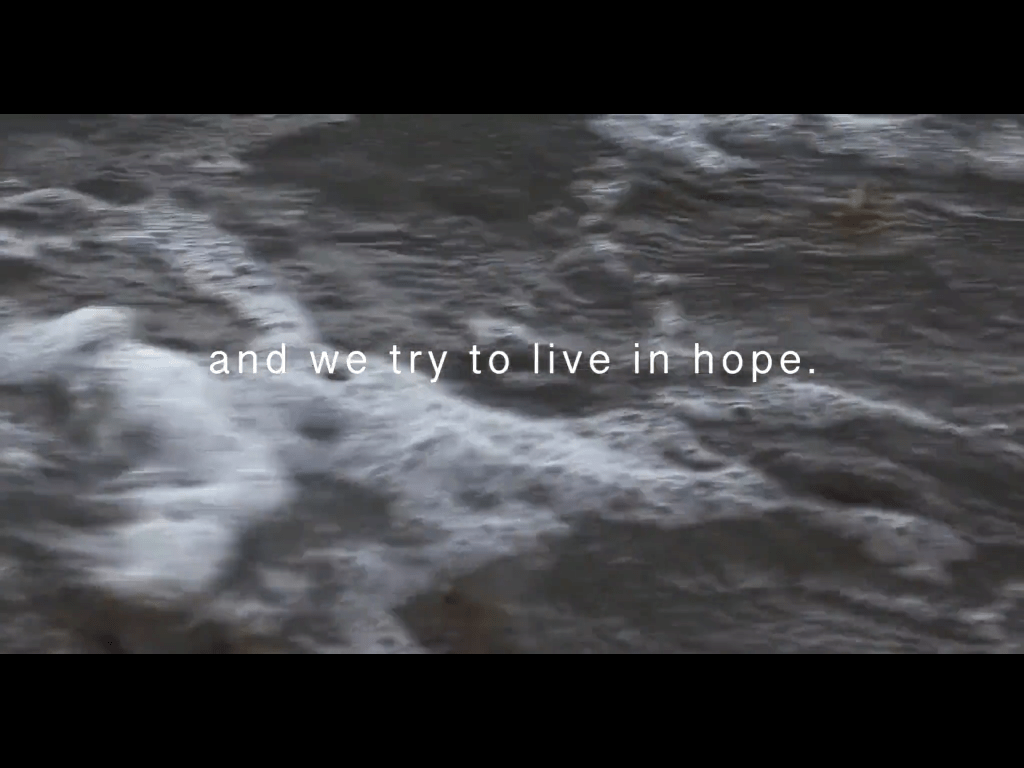
A still from Alberta Whittle’s ‘business as usual: hostile environment’ (2020)
There’s a lot that can be achieved by subverting, questioning and exploring the ideas that nationhood is based upon. Frankie Boyle’s Tour of Scotland, broadcast on the BBC earlier this year, is another example of digging beneath the surface of ideas of who we are. It’s no longer available on iPlayer but clips are online. The section where he talks to Councillor Graham Campbell about Glasgow’s ties to the slave trade was fascinating and, like Alberta Whittle’s business as usual: the hostile environment, works toward educating us about aspects of our past that are often swept under the rug – an ignorance that has allowed for the hostile environment to develop and the Windrush scandal to happen.
Multiple commentators have pointed out that the British government have tried to tie modern Britain’s founding ideas together with its approach to this crisis. Coronavirus has been likened to an enemy, using the language of combat, which isn’t always appropriate, effective or clear when it comes to responding to a medical emergency. The semantics of sacrifice and loyalty are invoked to try and bring us together – though clearly the extent of lives lost could have been limited, had the situation been better handled. Whittle’s film is a reminder that no amount of metaphor should be allowed to submerge that truth.
This work made me think again about how grateful I am to the artists, writers, comedians and journalists who encourage us to look deeper. The ones who question the myths, probe the difficult areas, who remind us to ‘stay alert’ to the situation unfolding around us, to the ideas and the language used to mobilise us. This has been a time of reflection and introspection for many of us, and there are some beautiful, human stories of solidarity that we can take pride in. But after it’s all over, we need a new consciousness to emerge and I want art to be at the forefront of imagining that to be possible as, to quote Whittle, “we try to live in hope” for a better future.
A still from Alberta Whittle’s ‘business as usual: hostile environment’ (2020)
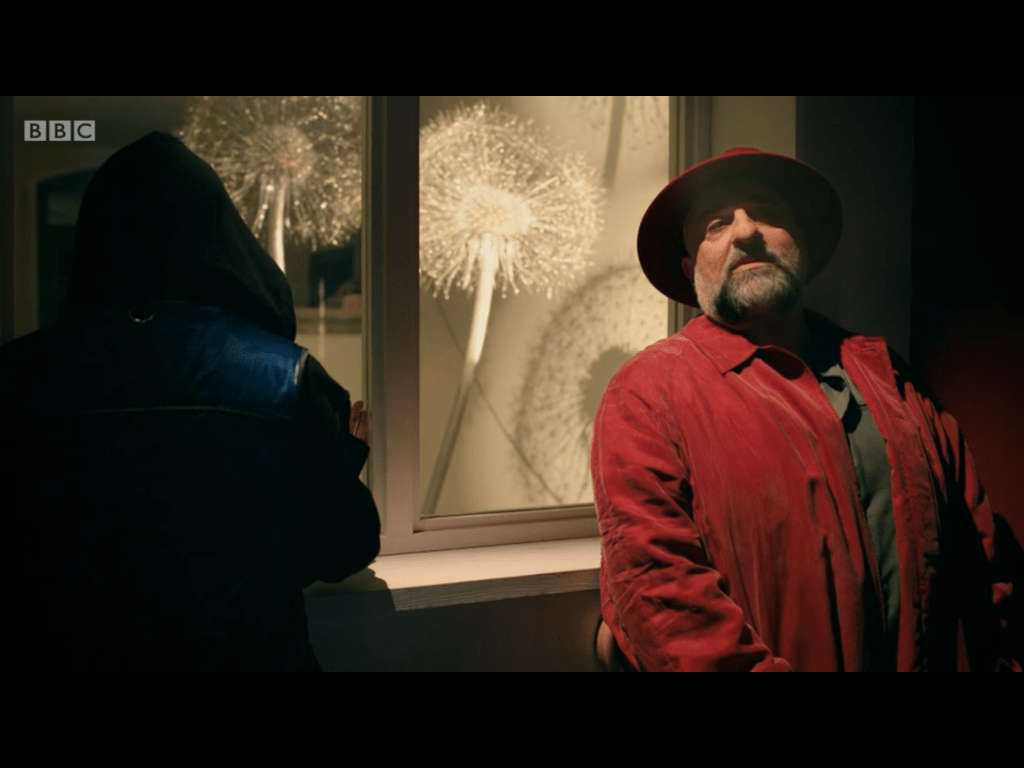
It’s raining heavily outside, and a soaked through, frightened, hooded figure stumbles upon a grand pair of wooden doors. They open automatically, and seem to offer an alternative to the storm, and whatever else is lurking outside that troubles our protagonist. This is how The Way Out, Battersea Arts Centre’s offering for BBC Culture in Quarantine, begins. I promise you that if you like imaginative, surreal adventures and need an escape from this covid-consumed world (as I did yesterday) you will fall down this creative rabbit hole and not look back.
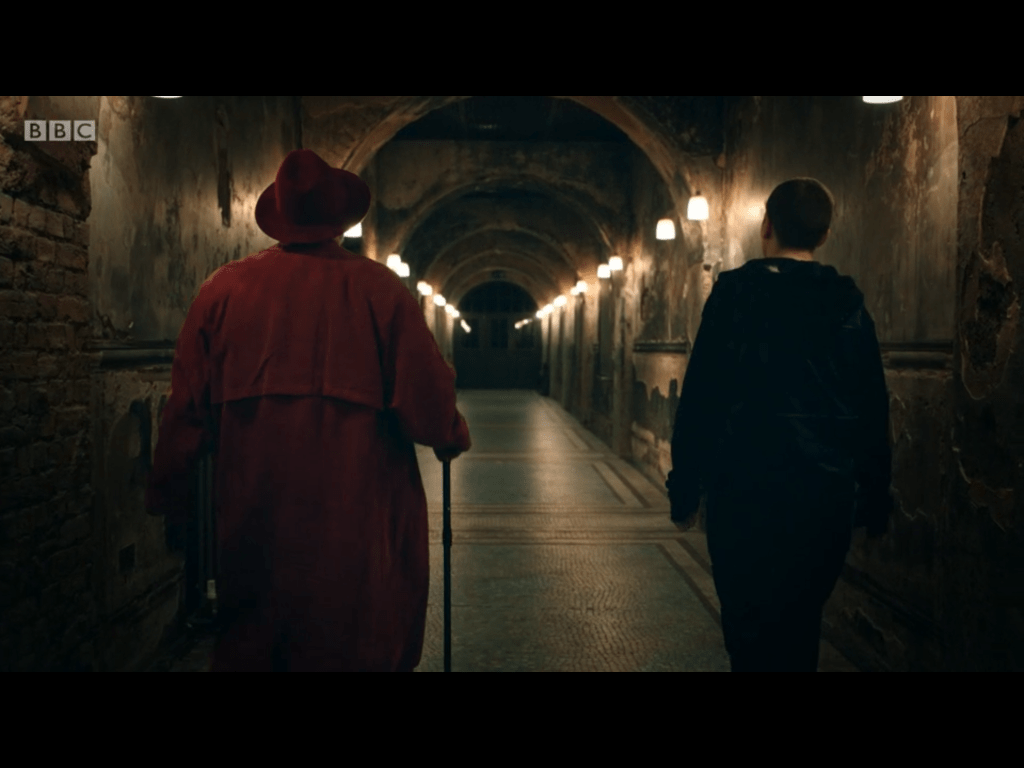
There are a number of references to Lewis Carroll’s Alice’s Adventures in Wonderland, and in many ways this is a modern retelling, one that celebrates the talent that Battersea Arts Centre has to offer as well as the transformative power of creativity. But before we make our way to experience the performances, we first encounter the enigmatic Omid Djalili, our guide and master of ceremonies. His existential musings on pathways, growth, entrances and exits hover between philosophy and riddle. As our journey through this old town hall with crumbling walls and labyrinthine corridors continues, he is increasingly likeable and intriguing.
The work incorporates some of BAC’s art installations, such as Hope, by Caroline Russell (2019)
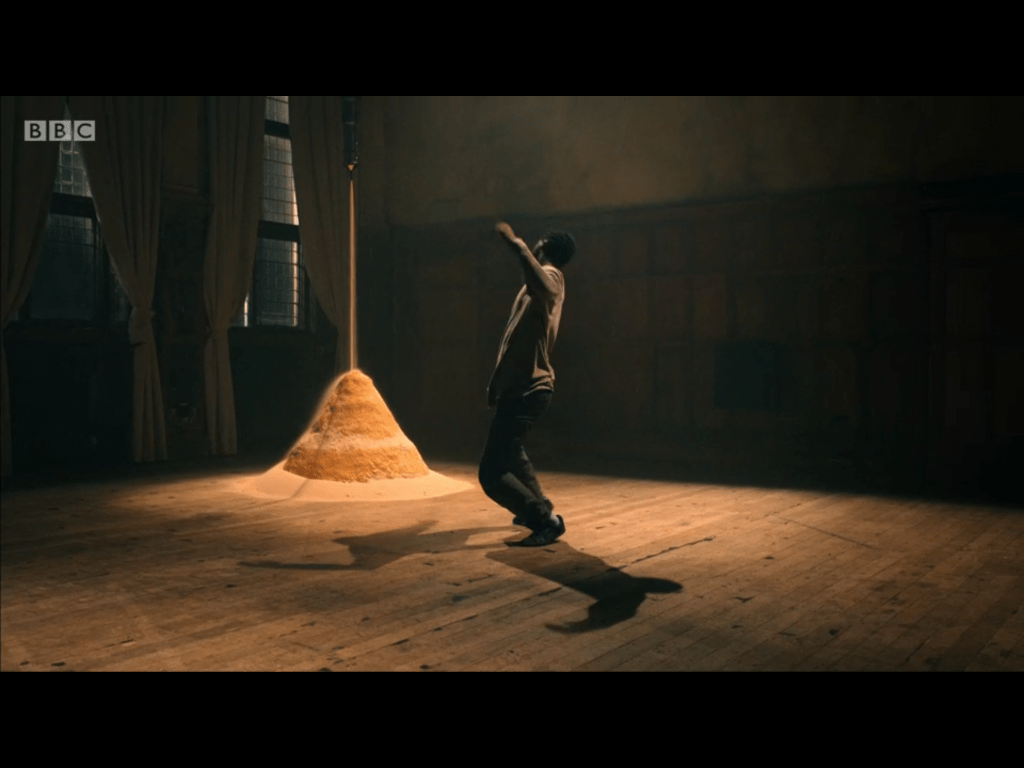
We begin as curious but detached observers, audience members, pondering how it is possible for a body to become fluid in the way that Botis Seva’s does in his performance of Quick Sand, performed alongside what seems to be a broken hourglass, its sediments hardened to the floor. As we venture further into the warren, we enter different worlds, a deep sea chamber where drag artist and opera performer Le Gateau Chocolat reigns supreme, singing a lonely siren song to the luscious, pulsating backdrop of a string trio. As the journey continues, its sinister edge, probably imagined by our own suspicions and scepticism, slowly gives way lightness and joy. We enter the cabaret world of the Cocoa Butter Club and we realise we are now participants in the show. There’s a performance of “Young Hearts Run Free”, one of my favourite disco classics which is poignant and joyful in equal measure. It’s a party and a crazy one at that, the kind of night when time warps and you don’t realise how late or early it is, or how it got to be light outside?
Botis Seva working magic with his movements in Quick Sand
The building is in many ways my favourite part of the show. It transported me, kindling memories of similar places I’ve been or known – art venues like Summerhall in Edinburgh (which is currently crowdfunding), nightclubs, the backstages of theatres, the burlesque house from The Simpsons, Shangri-la at Glastonbury, and even certain dark, decrepit corridors of my Midlands secondary school. The film is about 40 minutes long and is taken in a single shot from around head height, making it as close to immersive theatre as TV can get. You are the one journeying through the maze. And wow, it feels good to be traveling through and exploring a hive of creativity and weirdness. While watching I vow to myself not to take these experiences for granted again.
Come As You Are is a heartfelt poem written and performed by Sanah Ahsan, resplendent in a bright yellow suit and standing in centre of what seems to be a yellow brick road. It’s a nod to another memorable, psychedelic adventure into another land – except it is made from flowers and not bricks. A road made of flowers sums up the paradoxes of this wonderful piece of theatre, this story. It’s bizarre, fun and seems impossible and yet it works because of all the paradoxes woven into it. It is a beautiful escape, so perfect and so utterly needed for these times that it’s hard to believe that it wasn’t planned for a quarantined world (it was filmed in January).
This flight of fantasy took me out of myself for a moment. Hopefully, on the other side of this stationary journey we are all undergoing, we can emerge, like the character from The Way Out, with our hoods thrown back, ready to embrace the world, each other and ourselves.
There are some artworks that become wedged in your heart. You carry them with you, and mostly they lay dormant. Then occasionally they will surface from nowhere, reminding you of something you saw, read, felt years ago. For me, one of those objects is something I saw at Found, an exhibition curated by Cornelia Parker at The Foundling Museum in 2016. I must have loved it at the time, because I bought the catalogue, and that hardly ever happens.
The piece in question is by John Smith and is unassuming and profound in equal measure. As someone who believes in the necessity of encountering art in the everyday, it’s exactly the kind of work that chimes with me.
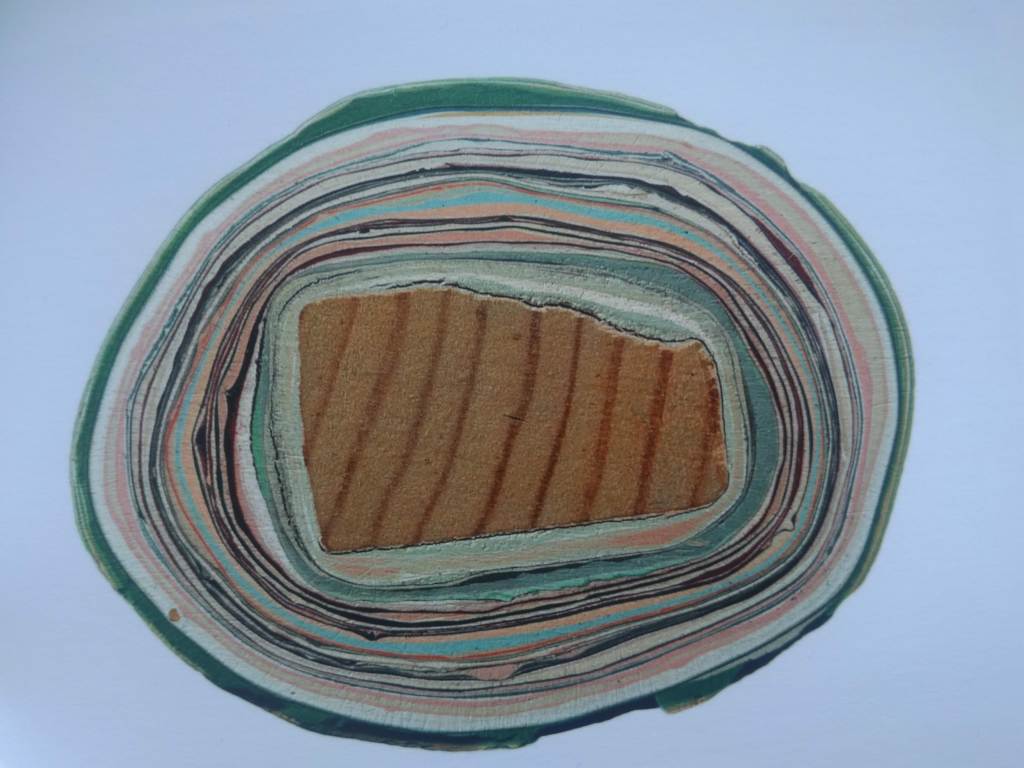
John Smith, Dad’s Stick, c.1950-2007, wood and paint, 23 x 2.7cm
It’s difficult to know how to describe Dad’s Stick – it hovers part way between art piece, art object, tool, item, artefact. This stick belonged to the artist’s father and was used to stir paint pots for around six decades. Then, towards the end of his life, Smith’s father cut through the stick. This act revealed a cross-section of multiple layers of paint, each covering over the other, like the concentric rings of a tree. It’s a wonderful thing: documenting changes in taste, memories of rooms, snapshots of different projects, a humble memorial preserving a life story, or multiple stories. In the Found catalogue, Smith reflects that looking at the colours of the stick took him back to his childhood, “the greyish green of our 1950s kitchen cupboards and the bright orange that covered the walls of our hallway in the 1960s.” (p.122). Smith created a film to accompany the object which was also shown in the exhibition. You can see an extract of it here.
Perhaps this object resonated with me because my own childhood home had this layering too. My mum, a good seamstress with an eye for interior design, made our own curtains, and as I grew up, she covered over the childish Alice in Wonderland fabric in my bedroom with a more teenager-appropriate material. My parents don’t live there anymore, but I wonder if the current inhabitants ever puzzle over the faint colours and shapes they can see through the fabric in certain types of light. Or they may have got rid of the curtains entirely – I’ll never know.
The flip side of Dad’s Stick is the rooms themselves. Most houses have multiple layers of paint, wallpaper, and questionable decor that exists below our current surroundings. Buildings have stories, and ghosts, in their very walls. Their history is a layered patchwork of the different lives played out in their rooms.
This feels more prevalent than ever while we are all confined to our homes. I live in an Edinburgh tenement flat, part of an old stone block with one side facing the street and the other overlooking an enclosed courtyard at the back. Muffled voices through walls, the frenzy of a washing machine from the flat next door, the occasional footsteps in the hallway are all part of the daily routine. They were always there, but noticing them, and their closeness, is unavoidable now. I see people smoking out of their windows, they see me moving from room to room, chasing the sun as it graces different parts of the flat throughout the day, we watch people hanging out their washing and cats prowling in the overgrown backyard.
Being at home all the time has reminded me of these layers of lives and histories we live alongside and we contribute towards. Artworks like this one can help us process these situations, reminding us we are all part of the layering process, reassuring us that people lived here before, and they will again once we move on.


 encounters_art