Each week for the past month, I’ve been going to Russia. To the State Hermitage Museum in St Petersburg, specifically. A close friend and I have been watching something we wouldn’t have considered engaging with before lockdown: a five-hour iPhone 11 advert, which explores the museum in an extraordinary way.
Even in lockdown, five hours is a bit too long. It’s far longer than I would be able to spend in a museum before fatigue, overwhelm and “museum back” set in. So we watched it in bite-size chunks. It became a little ritual. Every Tuesday at 9pm we would call each other, and press play at the same time to experience the tour together. It sounds bizarre, but it’s one of my favourite ways I’ve experienced art in lockdown.
The tour is meticulously curated. It is in one take, but isn’t a film that simply drifts past the museum’s many artworks (there are three million objects in the collection, including paintings, sculptures, textiles, porcelain, jewels, armour, coins, etc., so we only see a snapshot). This is a focussed journey that pays attention to the architecture and the interiors of the building. Dancers, actors and musicians all feature. They activate the space in vast corridors and lavish rooms, enliven the collection, and act as ciphers for our own bodies which, in normal circumstances, could be travelling through the rooms, pacing the floors, gazing at the ceilings.
I’ve long enjoyed watching people engaging with art: imagining what they’re thinking, and wondering why certain artworks speak to some people but not to others. My friend and I were now observing a false version of this in private and at a distance. We discussed the characters’ hair and clothes, speculated about their relationships with each other, puzzled over what the experience of making a film in an otherwise empty national museum, on the precipice of a global pandemic might have been like.
Gossiping with my friend, analysing what we were seeing together, was one of the best parts of the experience, making the surreal normal, as if we were actually touring a museum together. The mutuality of it, my friend watching in London and me in Edinburgh, spurred us on, and time slipped away quickly. Sometimes, the film became the backdrop to our conservation, sometimes we just watched and our words left us.
The physicality of the camera moving through rooms, doubling back, going in circles, helped make the experience lifelike. We commented on different works we liked, we discussed the merits of the decor (she hated the white curtains), I tried to show off some biblical knowledge to help interpret some of the Christian paintings, to varying degrees of success. There were moments when I craved a few clues about the paintings’ narratives, who made them, their titles – without explanation or context, lots of artworks are VERY weird and tricky to interpret – but providing additional information on screen would have made it too educational. The experience was more about wonder than learning.

The entire film is shot on iPhone 11, which is where the advert side comes in. The detail it captures is really extraordinary. The ultra zoom is one of my favourite digital tools through which we can experience art differently. Our capacity to see intricate close-ups of paintings is mind-blowing, and something to be celebrated. Zooming in on The Garden of Earthly Delights by a follower of Hieronymus Bosch (1556-1568?) – the original is in the Prado in Madrid – we could see more clearly than had we been standing before it. There are people cavorting on/with animals, giant birds, bodies inside clam shells, people with flowers sprouting from their bums, fruit the size of humans. If you want to pick three minutes of the whole thing to watch, this carnival of a painting features from 1:09-1:12.
The Hermitage film played with light in interesting ways which warped time, creating uncertainty over whether it was day or night. Towards the end the use of a white torch light on white marble sculptures plunged everything else into darkness, and we were floating in a monochrome world.
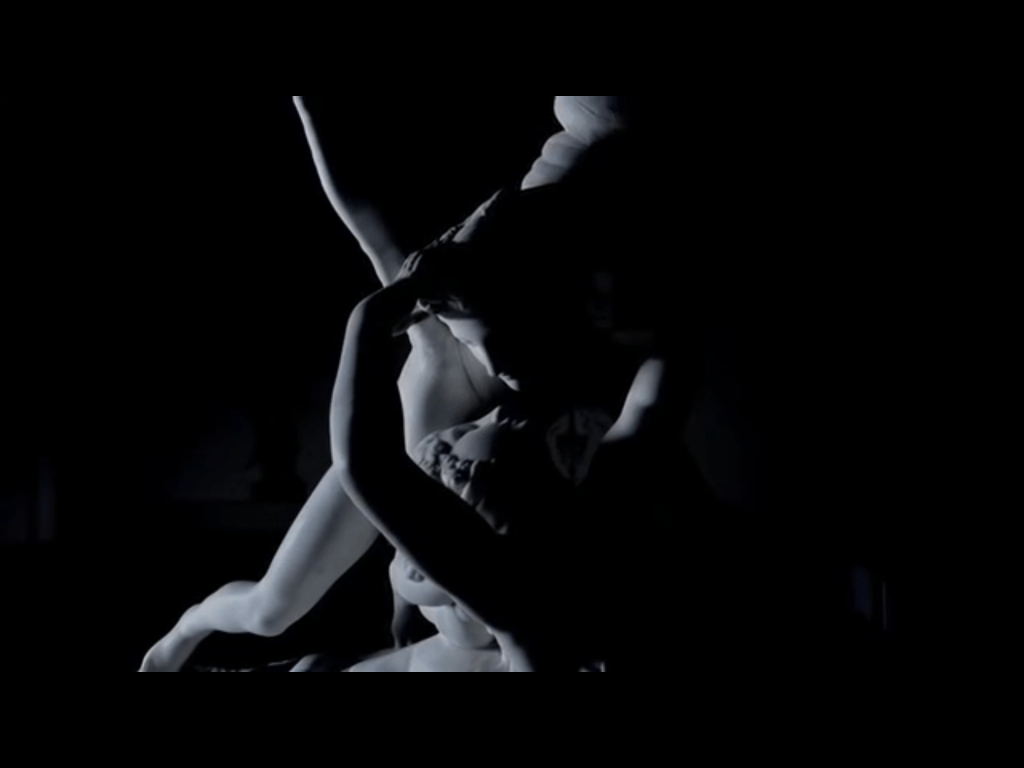
The museum at night is a creepy, exciting prospect, and one the film makes use of. There were several allusions to the presence of history, and the ghosts that live within its very walls. After all, it is a building which began as a private palace, its first collections were amassed by Catherine the Great in the 18th century. It has ridden the waves of Russian/Soviet/global history since then: wars, revolutions, political regimes, the Siege of Leningrad, and this pandemic. That it is still here today, for us to enjoy, even only as digital ghosts from a distance, is something we can all take comfort in.

 encounters_art
Fabulous Babe! What a great idea to have done this.
Thank you so much for taking the time to write about it. It was most enjoyable to read! XX
Sent from my iPhone
LikeLike