This morning I went to the Modern gallery to see their new exhibition, NOW, which is a presentation of work by contemporary artists, with the main focus on the work of Paisley-born artist Anya Gallaccio.
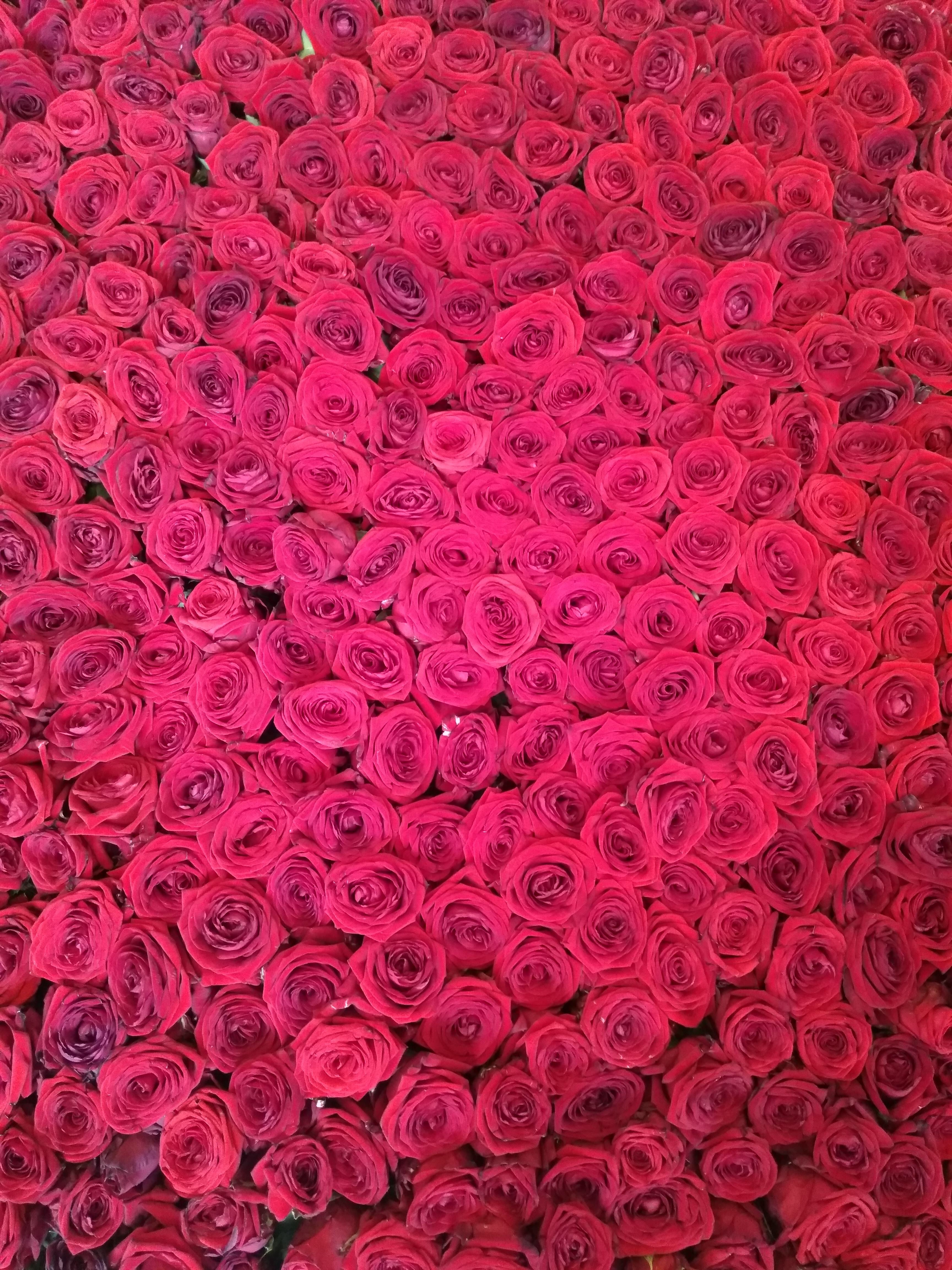
I’d heard about the exhibition through Instagram, as the Gallery had been posting some eye-catching close up photos of the key work in the show, Red on Green. The work is made up of 10,000 red roses which are arranged like a big red carpet in the centre of the room.
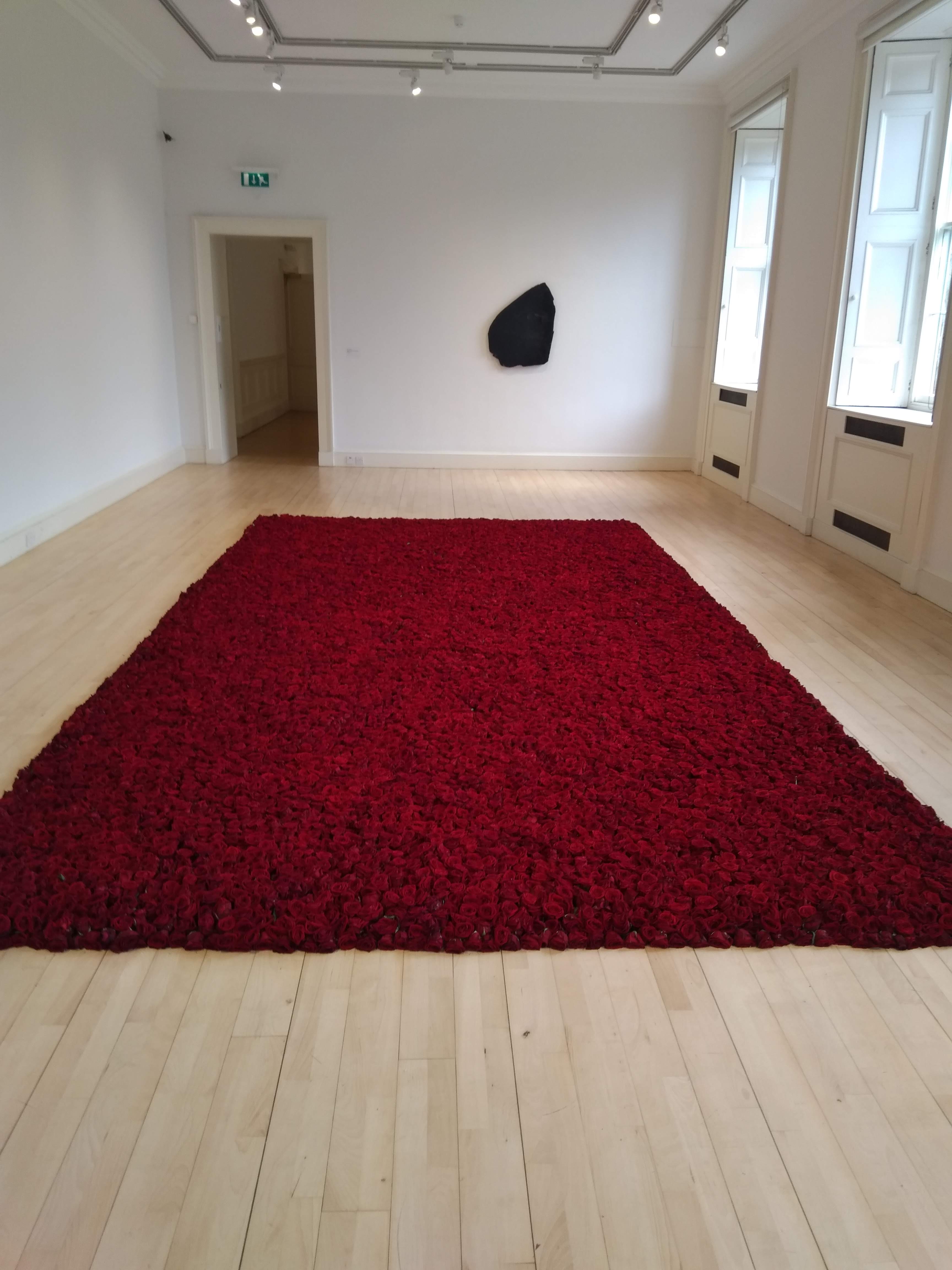
Though I imagine some viewers might find the carpet of roses a little gimmicky (it’s perfect art for Instagram, after all), I really enjoyed it. It’s fascinating seeing how the work unfolds as you approach it, looking at the individual roses shows they are all slightly different shades, shapes and sizes, at once both unique and uniform.
Red on Green will stay there for the duration of the exhibition (until September), but the flowers won’t be replenished, so as they decay the work will change. I wanted to see it at the start of its life, when it’s still looking and smelling great, and I’ll be back again a few more times to see how it changes. The more morbid side of me is really looking forward to seeing 10,000 dead roses. I don’t imagine they’ll be quite as Instagram-perfect as they are now.
In a really clever curatorial decision, immediately following the room with the roses is another beautiful and delicate Gallaccio sculpture of a tree. It looked so convincingly real but a quick check of the label revealed it was actually made of steel, bronze and silver. This kind of blurring the lines between real/fake, and the interplay between the different materials, encouraging you question what you see, was for me the biggest achievement of the exhibition.
If you do visit the Modern before the end of September, make sure you don’t just head straight for the roses. The first part of the exhibition features works by other contemporary artists which form an interesting dialogue with Gallaccio’s work. My favourite piece was Zimeb Sedira’s Sugar Routes, a propellor and an anchor cast in sugar making them look like sinister pieces of weaponry, alluding to the dark realities of the sugar trade. I also loved the installation Flat Moods by Peles Empire, which completely papered the corridor and created the illusion of being surrounded by the detritus of the artist’s studio.


In other news, Antony Gormley’s 6 times has returned to the Water of Leith. Here’s one of them taking the morning air.


 encounters_art